In a significant day for India's economic and strategic policy, the Parliament passed a crucial bill related to the nuclear energy sector, while the government sealed a major trade deal with a key Gulf partner. These developments, dated 18 December 2025, mark pivotal steps in energy security and international trade.
Parliament Gives Nod to SHANTI Bill
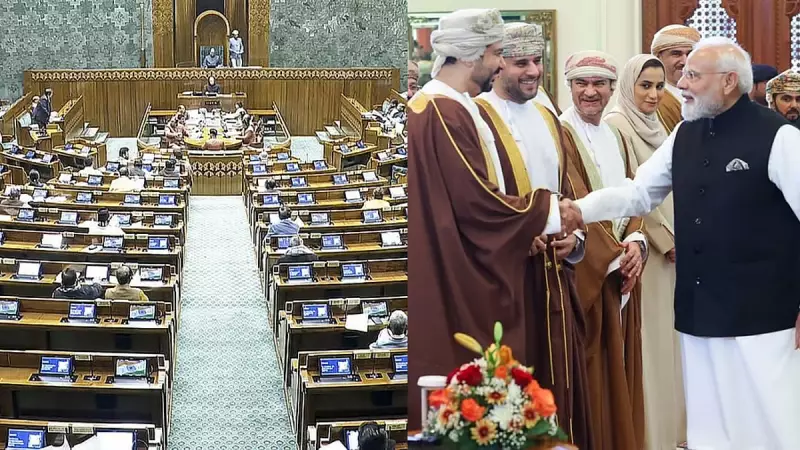
The spotlight in the Lok Sabha and Rajya Sabha was on the SHANTI Bill, which has now received parliamentary approval. This legislation is a game-changer for the country's atomic energy landscape. Its core provision allows for the participation of private sector companies in India's nuclear energy domain.
For decades, nuclear power generation was the exclusive domain of government-owned entities. This bill breaks that monopoly, paving the way for private investment and technological collaboration. The move aims to accelerate the expansion of nuclear power capacity, which is crucial for meeting India's growing clean energy demands and climate commitments.

India and Oman Seal Comprehensive FTA
Parallel to the legislative action, India bolstered its economic ties in the Middle East. On the same day, India and Oman signed a Free Trade Agreement (FTA). This pact is designed to dramatically enhance bilateral trade and investment flows between the two nations.
The FTA will involve reducing or eliminating tariffs on a wide range of goods and easing norms for services trade. Oman is a vital partner for India in the Gulf region, with strong energy, maritime, and diaspora links. This agreement is expected to provide a substantial boost to Indian exporters and open new opportunities for strategic investments.
Implications and the Road Ahead
The passage of the SHANTI Bill signals a bold reform in a sensitive and strategic sector. By inviting private players, the government hopes to infuse capital, efficiency, and innovation into nuclear power projects. However, it will require robust regulatory frameworks to ensure safety and security standards remain paramount.
Similarly, the India-Oman FTA is more than just a trade deal; it strengthens India's 'West Asia Policy' and economic footprint in a volatile region. It complements other ongoing trade negotiations and positions India as a reliable economic partner. Together, these developments underscore a dual focus: energising the domestic industrial base through sectoral reforms and actively shaping beneficial global trade relationships.
As of the evening of 18 December 2025, these stories define the national agenda, setting the stage for a transformed energy sector and deeper global economic integration.