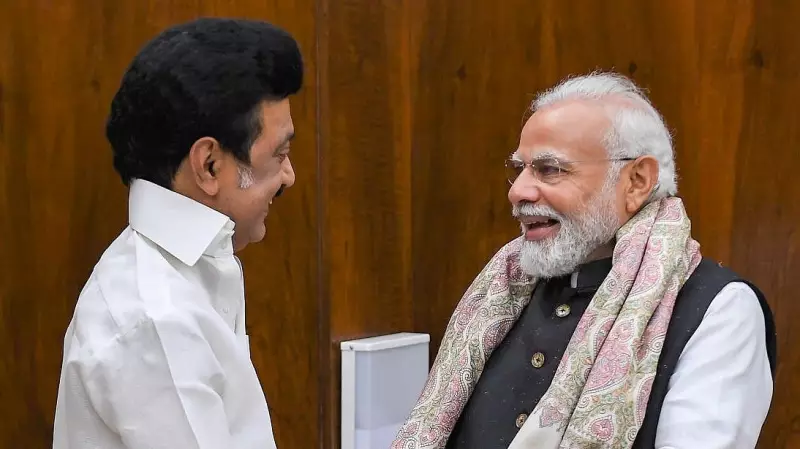
Tamil Nadu Chief Minister M K Stalin has made an urgent appeal to Prime Minister Narendra Modi, highlighting a severe crisis unfolding in Tiruppur, the nation's renowned knitwear capital. The core issue revolves around the detrimental impact of US tariffs, which has led to a massive cancellation of confirmed export orders and forced widespread production cuts.
A Staggering Financial Blow to the Knitwear Hub
In his communication to the Prime Minister, CM Stalin revealed a devastating financial impact. Exporters from the Tiruppur cluster have reported a wipe-out of confirmed orders worth a staggering Rs 15,000 crore. This monumental loss is not just a figure on paper but translates into real economic distress for hundreds of manufacturing units and thousands of workers dependent on this industry.
Compounding the problem of lost orders, the units are also facing severe operational constraints. Stalin pointed out that enforced production cuts of up to 30% have been implemented across various factories in the region. This double whammy of vanishing orders and shrinking production paints a grim picture for one of India's most vital export-oriented manufacturing zones.

The Urgent Call for Central Government Intervention
The Chief Minister's letter, dated 18 December 2025, underscores the immediate need for the Union government to prioritize resolving the tariff-related disputes with the United States. Stalin emphasized that the ongoing issue is crippling a sector that is a major employer and a significant contributor to India's textile export earnings.
The appeal to PM Modi is clear: diplomatic and trade negotiations must address this specific challenge to prevent long-term damage to the Tiruppur ecosystem. The crisis threatens to undo years of growth and brand-building that established Tiruppur as a global sourcing destination for knitwear and garments.
Broader Implications for Trade and Employment
The repercussions of this order wipe-out extend beyond immediate financial losses. A prolonged slump can lead to:
- Job losses and reduced incomes for a vast workforce, including skilled and unskilled labour.
- Loss of market share to competing nations like Bangladesh, Vietnam, and Cambodia, which may have more favourable trade terms.
- Erosion of investor confidence in the region's manufacturing stability.
- A potential downward spiral for ancillary industries supporting the knitwear sector.
The situation in Tiruppur serves as a critical case study of how international trade policies and tariffs can directly impact local economies in India. The state government's intervention highlights the need for agile and responsive central mechanisms to shield key export industries from such external shocks. The coming weeks will be crucial in determining the Union government's response and the potential relief for the beleaguered exporters of Tiruppur.