

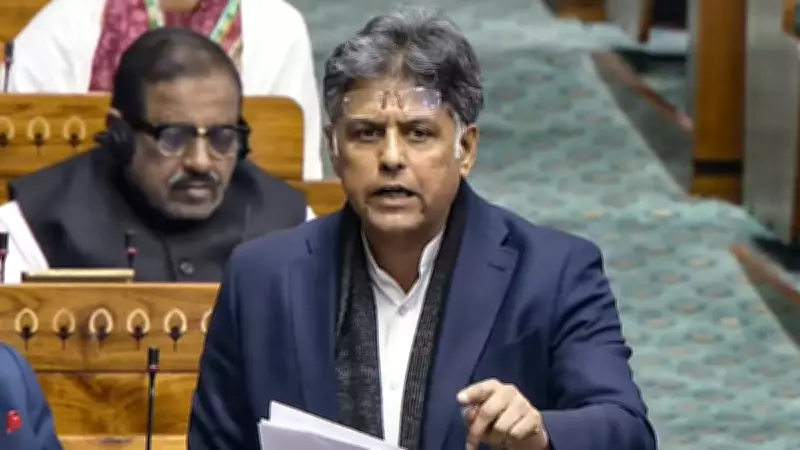
Congress Leader Manish Tewari Raises Alarm Over India-US Trade Agreement
Senior Congress leader and Member of Parliament Manish Tewari has publicly questioned the state of India's strategic autonomy in light of a recent trade deal with the United States. His comments come amid growing scrutiny of bilateral economic agreements and their implications for national sovereignty.
Examining the Tariff Imbalance in the Bilateral Pact
Tewari specifically highlighted what he perceives as a significant tariff imbalance within the trade agreement. According to details shared by former US President Donald Trump on social media platform X, the deal stipulates that India will levy "no tariffs" on imports from the United States. In contrast, Washington will impose a "reduced" reciprocal tariff of 18 percent on exports from New Delhi to the US market.
This arrangement has sparked debate among policymakers and trade experts, with Tewari arguing that such terms could undermine India's economic interests and strategic independence. The Congress MP's critique centers on whether the agreement adequately protects domestic industries and aligns with long-term national priorities.

Broader Implications for India's Trade Policy and Sovereignty
The controversy touches upon several critical aspects of international trade and diplomacy:
- Economic Sovereignty: How trade agreements impact India's ability to set independent economic policies.
- Bilateral Relations: The evolving dynamics between India and the United States in the global economic landscape.
- Domestic Industry Protection: Whether the tariff structure sufficiently safeguards Indian manufacturers and exporters.
- Strategic Autonomy: The balance between international partnerships and maintaining independent foreign policy decisions.
Tewari's questioning reflects broader concerns within political circles about the transparency and equity of international trade negotiations. As India continues to navigate complex global economic relationships, such debates are likely to intensify regarding how trade deals align with national strategic objectives.
The development comes at a time when India is actively pursuing multiple bilateral and multilateral trade agreements, making the scrutiny of individual pact details particularly relevant for future policy directions.






