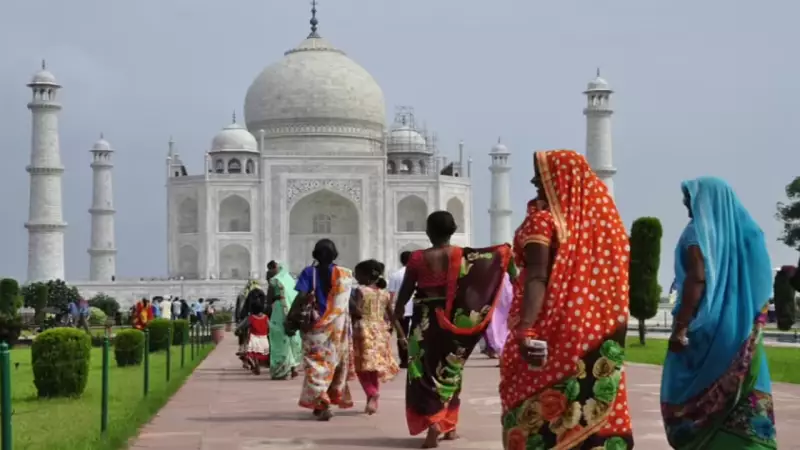
With the Union Budget 2026 on the horizon, stakeholders across India's travel, tourism and hospitality sectors are voicing their expectations for policy continuity, enhanced financing frameworks and strategic measures to stimulate consumer spending. While domestic travel demand has shown remarkable resilience, foreign tourist arrivals continue to lag behind previous peak levels, prompting industry leaders to look toward the upcoming budget for crucial support in infrastructure development, improved connectivity and streamlined ease of doing business.
Hospitality & Tourism Outlook: Seeking Structural Support
The Indian hospitality industry has experienced a favorable position in recent years, operating within persistent demand-supply imbalances and a structurally advantageous environment. However, the shortfall in foreign tourist arrivals compared to earlier peaks remains a significant concern. ICRA expects the upcoming Union Budget to maintain its focus on tourism and infrastructure investments, alongside initiatives to enhance connectivity, accessibility and ease of doing business.
"With supply growth continuing to lag demand, policy frameworks aiding favorable financing terms shall support inventory addition," emphasized Srikumar Krishnamurthy, Senior Vice President & Co-Group Head, Corporate Ratings at ICRA Ltd. This perspective highlights the critical need for financial mechanisms that can facilitate the expansion of hospitality infrastructure to meet growing demand.

Policy Stability and Consumer Spending Initiatives
Echoing the call for policy stability and demand stimulation, BLS International has underscored the importance of global mobility and consumer spending power. India's travel and tourism ecosystem has greatly benefited from the government's progressive policy outlook toward global mobility and ease of travel, and maintaining this positive trajectory is seen as essential.
"Continued policy support through the upcoming Union Budget—particularly through certain measures to increase disposable income, as well as targeted travel incentives—would encourage people to spend more on both domestic and international travel, boosting the overall tourism industry," stated Shikhar Aggarwal, Joint Managing Director of BLS International.
He further suggested that a review of current foreign exchange limits and taxes on forex transactions could provide additional momentum by easing cash-flow pressures for both travelers and service providers, thereby facilitating smoother international travel operations.
Island Tourism and Maritime Connectivity: Unlocking Potential
From the marine tourism segment, Nautika has highlighted the need for simplified permit processes and modern maritime infrastructure to fully unlock the potential of island tourism. The company advocates for laws that facilitate easier permits for high-end services and improvements in shipping infrastructure, which could significantly enhance the appeal of island destinations.
"Better ports, eco-friendly ship technology and easy movement between islands would not only aid tourists and operators but they would also help the economy grow and create jobs in the area," explained Anoop Kumar, Founder and Director of Nautika. He noted that the segment already serves more than 2.5 million passengers annually and is experiencing rapid growth.
Kumar added that "rules and incentives that promote modern maritime services will help open up new tourism potential" and signal India's commitment to sustainable tourism-led growth. This approach aligns with broader environmental goals while fostering economic development in coastal regions.
Overall Industry Expectations from Budget 2026
Collectively, industry expectations from Union Budget 2026 center on several key areas:

- Sustaining and increasing investments in tourism and transport infrastructure
- Improving connectivity and accessibility across various destinations
- Easing financial and regulatory bottlenecks that hinder growth
- Boosting consumer spending power through targeted measures
These elements are viewed as critical not only for reviving inbound tourism but also for supporting the next phase of growth in India's travel and tourism ecosystem. The industry's unified call reflects a strategic vision that balances immediate needs with long-term sustainability, aiming to position India as a premier global tourism destination while strengthening domestic travel networks.