US Immigration Restrictions Reflect Broader Hostility, Not Anti-India Stance: Constitutional Scholar
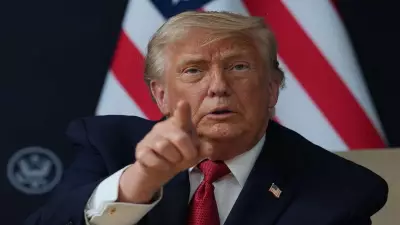
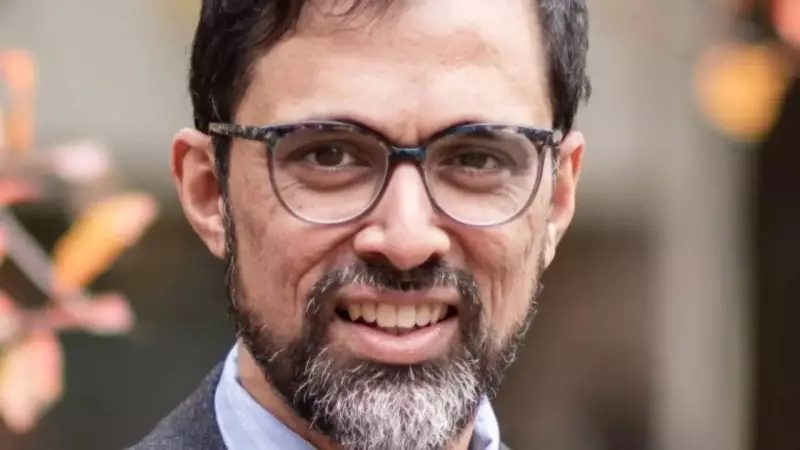
Recent immigration restrictions in the United States originate from former President Donald Trump's fundamental hostility towards immigration itself rather than any specifically targeted stance against India, according to prominent Indian American constitutional scholar Saikrishna Prakash. In an exclusive interview, Prakash warned that executive power now dominates policy formulation in ways that Congress struggles effectively to counter, creating significant implications for Indian professionals and the broader diaspora.
Exclusive Interview at Kerala Literature Festival
Prakash, who serves as a Miller Center senior fellow and James Monroe Distinguished Professor of Law at the University of Virginia, shared these insights during an exclusive conversation with New India Abroad on the sidelines of the Kerala Literature Festival in Kozhikode, Kerala. The scholar's analysis provides crucial context for understanding the complex dynamics shaping contemporary US immigration policy and its disproportionate impact on Indian nationals.
Employment-Based Visas and Broader Immigration Skepticism
Discussing employment-based visas, including the crucial H-1B programme that many Indian professionals utilize, Prakash emphasized that the impact on Indians reflects broader immigration skepticism within certain US political circles. "It's not really about India per se. It's about his distaste for immigration," he stated unequivocally, referring to former President Trump's policy orientation.

Prakash elaborated that India has benefited disproportionately from the H-1B programme compared to other nations, which explains why adverse policy changes affect Indian professionals more sharply. This disproportionate benefit means that any restrictions or modifications to immigration pathways create amplified consequences for the Indian community seeking opportunities in the United States.
Potential Geographic Redistribution of Indian Talent
The constitutional scholar predicted that one significant result of restrictive US immigration policies could be a geographic redistribution of Indian talent globally. He noted that Indians might increasingly seek educational and professional opportunities in alternative destinations including Europe, Australia, Singapore, and Japan as US pathways become more constrained.
Prakash argued that India ultimately benefits from having a strong and globally dispersed diaspora, suggesting that talent redistribution might create new networks and opportunities even as traditional pathways face challenges. This dispersion could potentially strengthen India's global connections across multiple regions rather than concentrating talent primarily in North America.
Examining Presidential Power Through Pardon Clause
The conversation also explored Prakash's recent scholarly work, particularly his new book titled 'The Presidential Pardon: The Short Clause with a Long, Troubled History'. This examination focuses on one of the least constrained powers within the US Constitution, offering insights into how executive authority operates in practice.
Prakash described the pardon clause as consisting of "about 20 words" in length but emphasized that its impact extends far beyond this brevity. The clause allows presidents to forgive crimes entirely or reduce sentences, granting what Prakash characterized as "rather sweeping control" over aspects of the criminal justice process.
Partisan Polarization and Executive Authority
The scholar observed that reactions to presidential pardons have evolved significantly over time. Whereas such actions once generated less partisan responses, they now harden along political lines as presidents command stronger loyalty within their parties. Prakash argued that actions once viewed as deeply controversial now draw automatic approval from substantial segments of the electorate based primarily on which political figure issues them.

Executive Encroachment on Congressional Authority
Regarding executive power more broadly, Prakash asserted that US presidents have steadily encroached upon congressional authority, particularly through delegated powers in policy areas such as immigration. He characterized Congress as having become essentially a bystander in many crucial policy debates, divided internally while presidents act decisively as party leaders.
This dynamic creates particular challenges for immigration policy, where much authority remains discretionary rather than strictly legislated. Prakash warned that this leaves immigrants vulnerable to sudden executive decisions that can dramatically alter their status and opportunities without congressional oversight or intervention.
Limited Constitutional Protections for Indian Professionals
For Indian professionals currently residing in or considering migration to the United States, Prakash offered a sobering assessment regarding constitutional protections. While courts can intervene when specific laws are violated, much immigration policy operates within executive discretion, leaving limited recourse against sudden policy shifts.
The constitutional scholar's analysis suggests that Indian professionals must navigate an increasingly unpredictable landscape where executive decisions rather than legislative processes frequently determine policy outcomes. This reality underscores the importance of understanding both legal frameworks and political dynamics when pursuing opportunities in the United States.