A Peaceful Lunch Turns Into a Harrowing Experience
Five software engineers experienced a terrifying situation last week in Minneapolis. Their casual lunch outing suddenly transformed into a frightening ordeal when an angry crowd confronted them outside the restaurant. The group faced insults and harassment after being mistakenly identified as federal immigration agents.
How a Simple Meal Escalated Quickly
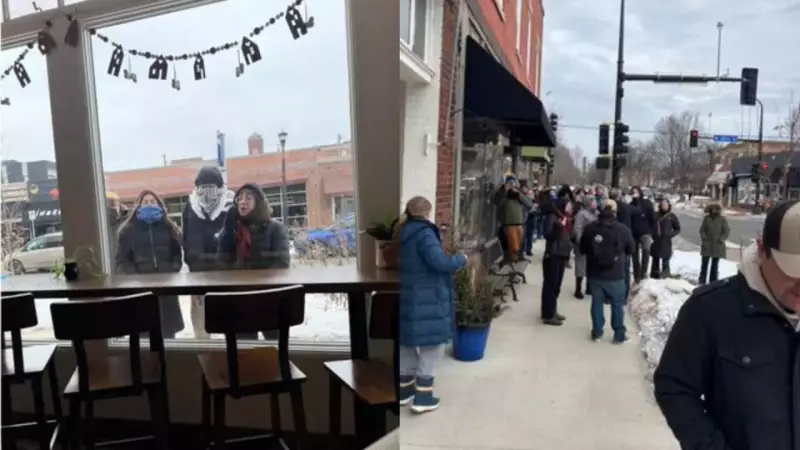
The incident occurred at Clancy's Deli, located near 38th Street and Grand Avenue South. The engineers, all white males dressed in casual clothing, were quietly enjoying their meal when everything changed. One of the men received a message on an encrypted Signal chat group used by anti-ICE activists. The message falsely claimed that plainclothes Immigration and Customs Enforcement agents were inside the restaurant.
Within minutes, protesters gathered outside the establishment. They surrounded the deli and began shouting insults at the men. The protesters blew whistles loudly as the engineers attempted to leave the restaurant. "We were just trying to eat lunch," one engineer named Lee told reporters. "Next thing we know, people are yelling, 'I hope you die,' and calling us paedophiles."

Viral Videos Capture the Tense Confrontation
Videos of the incident quickly spread across social media platforms. The footage shows the group being subjected to continuous verbal abuse as protesters tried to block their exit. Despite repeatedly explaining they were not ICE agents, the crowd refused to believe them.
One person in the crowd challenged their claims by asking, "Do I look like an ICE agent?" A protester immediately responded, "Yeah, you look like a f---ing ICE agent." The tense encounter forced the men to leave under duress, leaving some questioning their political assumptions afterward.
Broader Context of Immigration Tensions in Minneapolis
This incident did not happen in isolation. It occurred amid growing anti-ICE activism and community backlash in Minneapolis. Federal immigration enforcement has increased significantly in the region through operations like Operation Metro Surge. These actions have deployed thousands of immigration agents, resulting in widespread protests and legal battles.
The city has become a national flashpoint in debates over immigration enforcement. Earlier this month, the fatal shooting of Renee Good by an ICE agent during an enforcement operation drew national attention. This tragedy intensified community anger and protest activity throughout Minneapolis.
Social Media Reactions Show Deep Divisions
Social media responses to the incident were swift and sharply divided. The story ignited fierce debates across platforms including X (formerly Twitter), Reddit, and various political forums. Critics of the protesters described the confrontation as a chilling example of "mob justice." They warned that viral Signal alerts and online callouts increasingly put ordinary civilians at risk based on false assumptions alone.
Many users expressed alarm at how quickly a false accusation escalated into public harassment. Some called it a failure of crowd restraint and accountability in activist spaces. On the other side, some anti-ICE voices argued that heightened vigilance resulted from aggressive immigration enforcement and mistrust of authorities. Even among these voices, several conceded that misidentification and intimidation had crossed a line.
The Engineers' Political Perspectives and Aftermath
The software engineers involved held mixed political views within their group. Some identified as anti-ICE while others remained neutral or supportive of immigration enforcement. This diversity underscores the unpredictable consequences of such confrontations. Lee mentioned that the incident forced some in the group to rethink their positions amid the volatile local climate.
Minneapolis continues to grapple with ongoing protests, federal enforcement actions, and community divisions. This episode serves as a stark reminder of how quickly everyday situations can spiral into dangerous confrontations. Local authorities balance enforcement with public safety protocols, including recent federal court rulings that limit arrest powers against peaceful protesters.

Looking Forward: Implications and Questions
What began as a quiet lunch for a group of tech workers has become another headline in a city struggling with deep divisions. The incident raises important questions about immigration policies, law enforcement presence, and citizen activism. Whether viewed as a cautionary tale about misinformation or a symptom of escalating public distrust, the event has captured public attention.
It sparks necessary debate over protest tactics, civil liberties, and community safety. As misinformation and real-time alerts from activist networks continue to circulate, the risk of misidentification and escalation remains high when tensions run high in communities.