

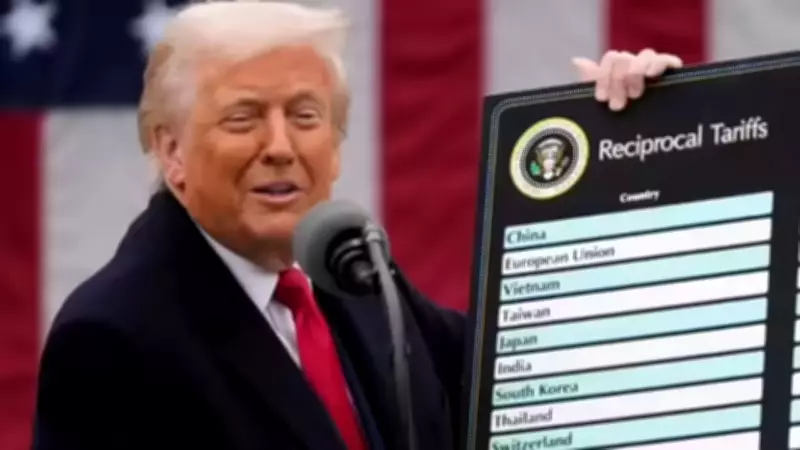
Trump Signs Emergency Proclamation Imposing 10% Global Import Surcharge
In a significant move reshaping US trade policy, former President Donald Trump on Thursday signed a proclamation imposing a temporary 10% import surcharge on most goods entering the United States. This action comes after the Supreme Court deemed previous tariffs imposed on different countries "illegal," prompting the administration to invoke emergency powers under Section 122 of the Trade Act of 1974.
The proclamation, which Trump described as addressing "fundamental international payment problems," states that the new duty will take effect at 12:01 am EST from February 24 and will remain in force for 150 days, unless extended by Congress. This represents a substantial shift in how the United States approaches global trade imbalances.
Rationale Behind the Global Tariffs
Following the Supreme Court verdict, Trump announced the comprehensive 10% global tariffs, with the administration arguing that the United States faces a severe balance-of-payments crisis. White House officials presented multiple economic indicators to justify the emergency measure:

- A $1.2 trillion goods trade deficit in 2024, which remained at similar concerning levels in 2025
- A current account deficit reaching 4% of GDP in 2024, marking the highest level since 2008
- A negative balance on primary income for the first time since at least 1960
- A net international investment position at approximately –89% of GDP, described as one of the most negative among developed nations
According to the White House, these widening deficits and growing import dependence pose substantial risks to the US economy. Administration officials warned that persistent imbalances could weaken investor confidence, increase reliance on foreign production for critical goods, and undermine both economic stability and national security.
The administration contends that imposing temporary import restrictions will help stem the outflow of US dollars to overseas producers, encourage domestic manufacturing, and restore balance in the country's trade position. Officials emphasize that the measure aims to support American industries, strengthen economic resilience, and reduce structural imbalances in international payments.
Specifics of the Announcement
Under the Section 122 authority, President Trump has taken several specific actions:
- Imposed a 10% ad valorem import duty on most goods entering the United States
- Limited the measure to 150 days, unless Congress chooses to extend it
- Classified the surcharge as a regular customs duty
- Directed modifications to the Harmonized Tariff Schedule of the United States (HTSUS)
The surcharge will apply in addition to existing duties, except where Section 232 tariffs are already in place, preventing double application of tariffs on the same products.
Exempted Products and Categories
The proclamation includes broad exemptions based on economic necessity and national interest considerations. Key exemptions encompass:
- Certain critical minerals essential for manufacturing and technology
- Metals used in currency production and bullion
- Energy products and related resources
- Fertilizers and natural resources unavailable domestically
- Specific agricultural products including beef, tomatoes, and oranges
- Pharmaceuticals and their essential ingredients
- Certain electronics and technological components
- Passenger vehicles and select auto parts
- Aerospace products and components
- Informational materials such as books and publications
- Donations and accompanied personal baggage
Additionally, goods compliant under existing trade agreements including the US-Mexico-Canada Agreement (USMCA) and the Dominican Republic–Central America Free Trade Agreement (CAFTA-DR) receive exemptions. Products already subject to Section 232 tariffs are specifically excluded from double application of the new surcharge.

Legal Foundation and Authority
The administration bases this move on Section 122 of the Trade Act of 1974, which permits the US President to impose temporary import restrictions of up to 15% for a maximum of 150 days to address serious balance-of-payments problems. The White House has also utilized Section 604 of the same legislation to modify the country's tariff schedule and implement the new duty.
This action falls under broader presidential powers granted by Title 3 of the US Code. Administration officials stress that the measure does not target specific industries for protection but rather addresses wider economic imbalances and aims to stabilize the country's international payments position.
Treatment of De Minimis Shipments
In a parallel executive order, the administration reaffirmed the suspension of duty-free de minimis treatment for low-value imports. Such shipments will also be subject to the new 10% surcharge, representing a significant expansion of the tariff's reach.
De minimis shipments refer to low-value international, business-to-consumer (B2C) packages traditionally allowed to enter a country duty-free and tax-free with minimal customs procedures. This change substantially broadens the tariff's application to previously exempt small-value imports.
Broader Trade Policy Context
This move signals continued reliance on tariffs as a structural tool in US trade policy, despite recent legal challenges to tariff authorities. The administration stated it will persist in reshaping trade relationships through a combination of tariffs and negotiated agreements.
Officials argue that previous tariff actions have successfully brought major trading partners "to the negotiating table," covering more than half of global GDP. This latest action reinforces the administration's commitment to using trade measures as leverage in international economic relations.
Implementation Timeline and Next Steps
The surcharge will remain in effect until July 24, 2026, unless one of three conditions occurs:
- Congress extends the measure beyond the initial 150-day period
- The President suspends or modifies the proclamation
- Economic conditions change significantly enough to warrant reconsideration
The US Trade Representative has been directed to monitor developments closely and recommend further action if necessary. This creates a mechanism for ongoing evaluation of the tariff's effectiveness and economic impact.





