

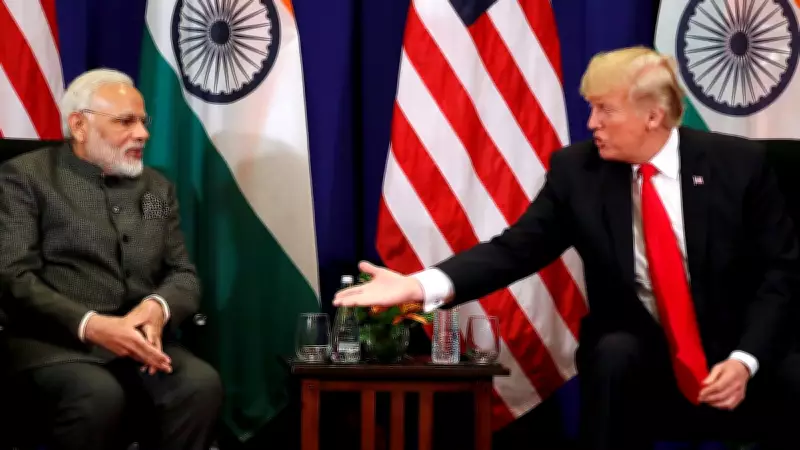
Trump-Modi Trade Deal Signals Major Shift in Energy, Tech, and Geopolitical Ties
The recent trade agreement between the United States and India, forged under the leadership of former President Donald Trump and Prime Minister Narendra Modi, represents a significant turning point in bilateral relations. This deal goes beyond traditional trade metrics, signaling a profound realignment in energy cooperation, technology partnerships, and geopolitical strategies. As both nations navigate a complex global landscape, this pact underscores a shared commitment to enhancing economic ties while addressing strategic challenges.
Energy Cooperation Takes Center Stage
One of the most notable aspects of the Trump-Modi trade deal is its emphasis on energy collaboration. The agreement facilitates increased exports of US liquefied natural gas (LNG) and crude oil to India, aiming to reduce India's dependence on Middle Eastern suppliers and diversify its energy portfolio. This move not only bolsters energy security for India but also provides a lucrative market for American energy producers, fostering mutual economic benefits.
Furthermore, the deal includes provisions for joint ventures in renewable energy sectors, such as solar and wind power. This aligns with India's ambitious goals under the International Solar Alliance and supports global efforts to combat climate change. By integrating clean energy initiatives, the partnership positions both countries as leaders in sustainable development, potentially influencing global energy policies.

Technology Partnerships Drive Innovation
In the realm of technology, the trade deal paves the way for enhanced cooperation in critical areas like artificial intelligence, cybersecurity, and 5G infrastructure. The agreement encourages knowledge sharing and joint research initiatives between US and Indian tech firms, aiming to spur innovation and create high-skilled job opportunities. This collaboration is particularly strategic as both nations seek to reduce reliance on Chinese technology and secure their digital ecosystems.
Additionally, the deal addresses intellectual property rights and data localization issues, providing a framework for smoother tech exchanges. By fostering a conducive environment for tech investments, it aims to boost sectors such as e-commerce, fintech, and digital services, thereby strengthening the economic backbone of both economies.
Geopolitical Implications and Strategic Alignment
The Trump-Modi trade deal carries significant geopolitical weight, reflecting a broader shift in international alliances. By deepening economic ties, the US and India are reinforcing their strategic partnership to counterbalance China's growing influence in the Indo-Pacific region. This alignment is evident in shared interests regarding maritime security, defense cooperation, and regional stability.
Moreover, the deal enhances India's role as a key player in global supply chains, reducing vulnerabilities exposed during the COVID-19 pandemic. It also supports the US strategy of engaging with democratic partners to promote a rules-based international order. This geopolitical dimension underscores how trade agreements can serve as tools for shaping global power dynamics and fostering long-term strategic interests.
Economic and Trade Benefits
From an economic perspective, the trade deal aims to reduce tariffs and non-tariff barriers, boosting bilateral trade volumes. Key sectors set to benefit include pharmaceuticals, agriculture, and manufacturing, with provisions for easier market access and regulatory harmonization. This is expected to create jobs, increase investment flows, and enhance competitiveness for businesses in both countries.
The agreement also addresses longstanding trade disputes, such as those related to medical devices and dairy products, by finding mutually acceptable solutions. By resolving these issues, it builds trust and paves the way for more comprehensive economic partnerships in the future, potentially including a broader free trade agreement.

Challenges and Future Outlook
Despite its promising aspects, the Trump-Modi trade deal faces challenges, including domestic political pressures and implementation hurdles. In the US, changing administrations may impact the continuity of policies, while in India, balancing trade concessions with domestic industry interests remains a delicate task. However, the foundational principles of the agreement—focusing on energy, tech, and geopolitics—are likely to endure, given their strategic importance.
Looking ahead, this deal sets a precedent for future US-India collaborations, emphasizing a multifaceted approach that integrates economic, technological, and strategic elements. As global dynamics evolve, such partnerships will be crucial in navigating uncertainties and fostering resilient, growth-oriented relationships.





