

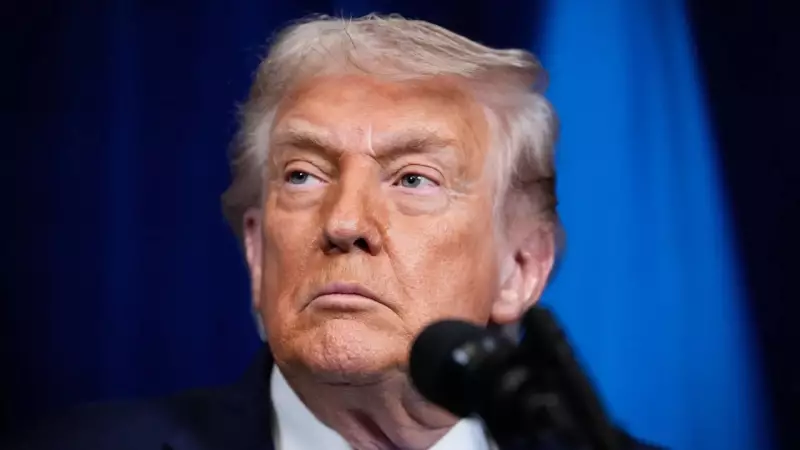
In a stark warning that underscores ongoing trade tensions, US President Donald Trump has indicated that the United States is prepared to further increase tariffs on India. The threat is directly linked to New Delhi's continued purchase of Russian crude oil amidst the ongoing conflict in Ukraine.
The Tariff Threat and Its Context
Speaking on Monday, President Trump reiterated his administration's stance, explicitly connecting potential punitive trade measures to India's energy imports from Russia. "We could raise tariffs on India if they don't have help on Russian oil issue," Trump stated, as reported by Reuters. This warning builds upon the existing 50% tariff his administration imposed on certain Indian goods in August 2025.
The US President elaborated on his relationship with Indian Prime Minister Narendra Modi, suggesting diplomatic efforts were made to address his concerns. "PM Modi's a very good man. He's a good guy. He knew I was not happy. It was important to make me happy," Trump said, adding that the US retains the ability to escalate tariffs "very quickly."

Disputed Claims and India's Stance
This latest warning follows a contentious claim made by Trump months earlier. The US President had asserted that Prime Minister Modi assured him India would halt its purchases of Russian oil, a move Trump characterized as a "big step" in pressuring Moscow. However, the Indian government swiftly and clearly denied that any such conversation or assurance took place, dismissing the claim outright.
Despite the denial, the Trump administration has remained sharply critical of the India-Russia energy trade. Officials have repeatedly accused New Delhi of strengthening Russia's position during the Ukraine war by providing a market for its discounted crude. This economic pressure tactic forms a key part of the broader Western strategy to isolate Russia financially.
Broader Implications for Diplomacy and Trade
The tariff warning creates a complex diplomatic scenario. While threatening economic consequences, President Trump has simultaneously expressed a personal interest in mediating a ceasefire between Russia and Ukraine. This juxtaposition places India in a challenging position, needing to balance its strategic energy needs and long-standing relationship with Russia against pressure from a major trade and strategic partner like the United States.
The existing 50% tariffs, coupled with the threat of more, signal a potentially volatile phase in US-India trade relations. The situation highlights the broader global economic fallout from the Ukraine conflict, where nations not directly involved in the fighting face significant political and economic repercussions for their trade choices. The coming weeks will be crucial in observing how India navigates these competing demands and whether the US follows through on its tariff threat.






