

Trump Defends India Trade Deal Amid Supreme Court Tariff Setback
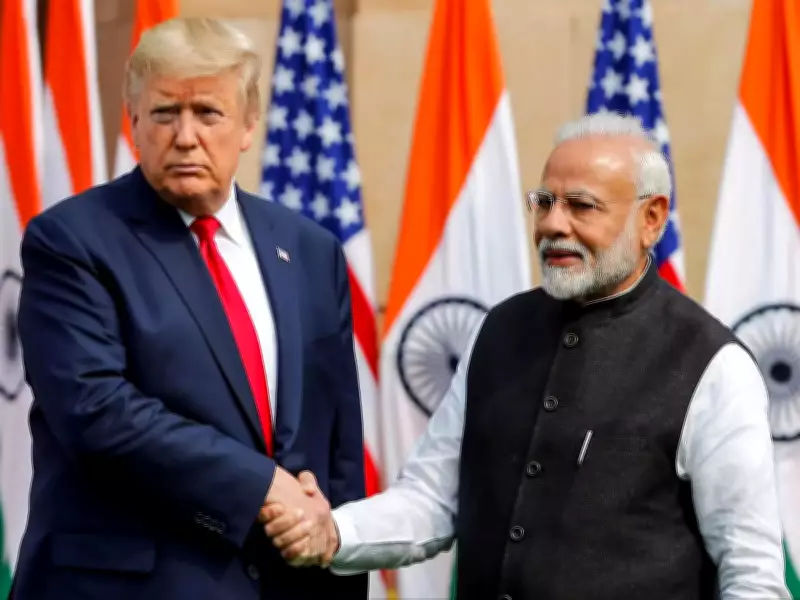
In a defiant stance following a significant legal blow, US President Donald Trump has declared that the recently concluded framework for an interim trade deal with India will proceed as planned, despite the Supreme Court ruling that his liberation day tariffs are illegal. At a White House news conference, Trump emphasized his commitment to the agreement, stating, "It is a fair deal, they will pay tariffs and we will not be paying any tariffs." He further praised relations with India, describing them as "fantastic," underscoring the administration's intent to maintain economic ties.
Alternative Legal Pathways for Tariffs
Furious over the Supreme Court decision, Trump announced plans to leverage other provisions of US law to impose a 10% global tariff on top of existing tariffs. He referenced the administration's "Plan B," which includes narrower legal mechanisms such as:
- Section 232 of the Trade Expansion Act: This allows tariffs on national security grounds, a tool Trump previously used during his first term for steel and aluminum imports.
- Section 301 of the Trade Act of 1974: This authorizes targeted tariffs in response to unfair trade practices by other countries.
While both mechanisms involve procedural requirements and substantive limits that make broad, across-the-board tariffs more challenging, an angry Trump vowed to pursue these routes to collect additional tariff revenue. He warned, "Foreign countries that are ripping us off are ecstatic and dancing in the streets, but not for long," signaling a determined pushback against the court's ruling.

Criticism of Supreme Court and Legal Representation
Trump did not hold back in his criticism of the Supreme Court, particularly targeting the three conservative justices who joined forces with the three liberal justices to strike down the tariffs. He labeled their decision a "disgrace" and accused them of undermining US trade interests. Additionally, Trump cast aspersions on the attorneys who represented US companies and trade associations in the tariff case, describing them as "foreign country centric." Notably, the lead attorney in this case is Indian-American Neal Katyal, who served as the acting additional solicitor general during the Obama administration, adding a layer of political tension to the proceedings.
This development highlights the ongoing complexities in US trade policy and the administration's aggressive stance on tariffs, even in the face of judicial setbacks. As Trump explores alternative legal avenues, the implications for global trade, particularly with key partners like India, remain a focal point of international economic discussions.






