

Why Did Trump Impose 50% US Tariffs on India? A Timeline of Reciprocal Tariffs and the Energy Deal
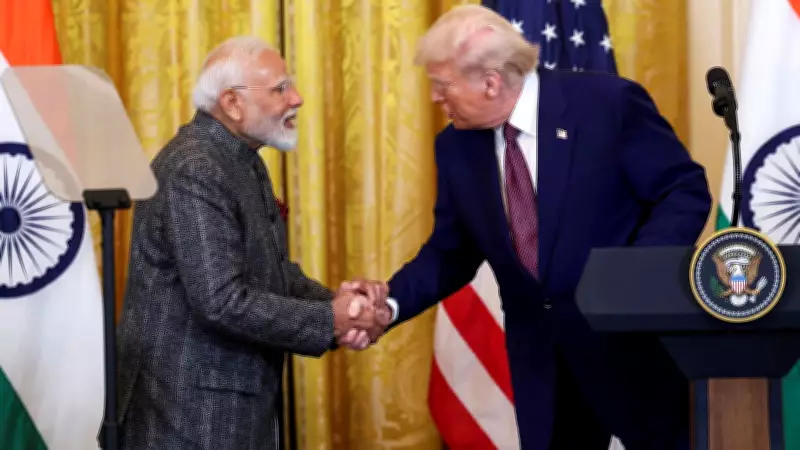
US President Donald Trump announced on Monday that he had reached a new trade agreement with India, with New Delhi committing to reduce its purchases of Russian oil and increase energy imports from the United States and potentially Venezuela. This announcement follows months of escalating trade sanctions, driven by Washington's concerns over India's energy sourcing and broader trade imbalances.
The Roots of the Tariff Dispute
The tariff conflict traces back to early 2025, when the Trump administration, pursuing an aggressive trade agenda, implemented a series of tariffs under its "reciprocal tariff" policies. These measures aimed to reduce the US trade deficit with major global partners. However, the primary catalyst for punitive duties on Indian exports was New Delhi's continued import of discounted Russian crude oil. Both the Biden administration and later Trump argued that these purchases helped fund Moscow's war in Ukraine and undermined Western sanctions.
Despite multiple rounds of negotiations, disagreements persisted throughout 2025. Trump repeatedly warned that tariffs could escalate further unless India curtailed its Russian oil imports. This situation strained US-India relations to one of their lowest points in years, with Indian officials labeling the tariffs as "unfair and unjustified" and defending their energy policy as aligned with national interests.

Timeline of India-US Tariffs Under Trump
The following timeline outlines key events in the tariff dispute:
- April 2, 2025 — The US imposed a 26% "reciprocal tariff" on several Indian imports as part of Trump's global tariff campaign.
- April 10, 2025 — Trump paused the tariffs for 90 days but maintained a 10% duty on all US imports.
- July 31, 2025 — Trump announced a 25% tariff on all Indian goods and warned of additional penalties if India continued buying Russian oil.
- August 7, 2025 — Trump increased tariffs to 50% on Indian goods shipped to the US, citing India's ongoing purchase of Russian oil. This made the tariff on Indian goods the highest among US trade partners.
- February 2, 2026 — Trump announced that the US and India had agreed on a trade deal, with India agreeing to halt most Russian oil imports and increase purchases from the US and potentially Venezuela. As part of the agreement, tariffs on Indian goods were reduced from 25% to 18%.
Resolution and Broader Implications
The impasse eventually led to a breakthrough in early 2026, with tariffs being reduced as part of a comprehensive agreement on trade and energy cooperation. This deal not only addresses immediate trade tensions but also reshapes energy dynamics between the two nations. By agreeing to curb Russian oil imports, India aligns more closely with Western energy policies, while the increased imports from the US and Venezuela could bolster economic ties and energy security.
This development highlights the complex interplay between trade policies, geopolitical alliances, and energy strategies in US-India relations. As both nations navigate these challenges, the agreement marks a significant step toward stabilizing bilateral trade and fostering cooperative energy partnerships.






