

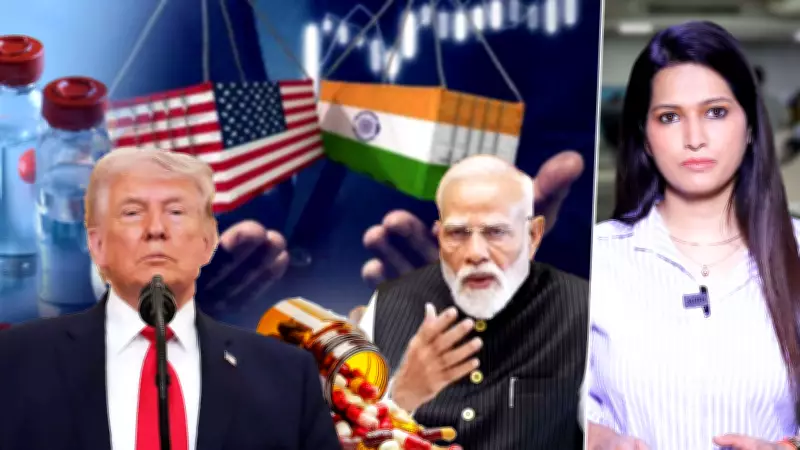
Trump's Sweeping 100% Tariff on Pharma Imports: India's Temporary Reprieve and Looming Challenges
In a bold move that reverberates through global trade corridors, the United States has announced a 100 percent tariff on imported patented pharmaceuticals. This aggressive policy, unveiled in early April 2026, aims to compel pharmaceutical companies to shift manufacturing operations back to American soil, thereby reducing the nation's reliance on foreign drug supplies. The decision marks a significant escalation in trade strategies, following previous market-shaking actions by the US administration.
India's Current Position: A Shield of Generics
For India, the world's pharmacy, this development brings a mixed bag of immediate relief and underlying anxiety. The country finds itself in a relatively secure position at present, thanks to its overwhelming dominance in the production and export of generic medicines. These off-patent drugs are explicitly exempt from the newly imposed tariffs, protecting the bulk of India's pharmaceutical exports to the US market. This exemption acts as a crucial buffer, ensuring that the immediate impact on India's robust pharma sector is minimal.
However, this safety net is not permanent. The exemption for generic medicines is designated as temporary, subject to future review and potential revision. Industry analysts warn that this could change the game entirely, exposing India's exports to severe pressure if the protection is lifted. The policy's selective nature, offering tariff relief to some countries while imposing harsh measures on others, underscores the unpredictable landscape of modern trade diplomacy.

Vulnerable Areas and Strategic Imperatives
Despite the broad exemption, certain segments of India's pharmaceutical industry already face palpable risks. Firms involved in the production of branded drugs or critical pharmaceutical ingredients are particularly vulnerable. These sectors could experience immediate disruptions, as the tariffs apply directly to their patented or specialized products. The policy signals a clear intent by the US to reshape global supply chains, prioritizing domestic manufacturing over international dependencies.
For India, this scenario necessitates urgent and strategic negotiations. The country must leverage its position as a key player in the global pharma market to secure favorable terms in ongoing trade discussions. Experts emphasize that proactive diplomacy and adaptive trade strategies will be essential to navigate the shifting rules of international commerce. The larger message from Washington is unambiguous: global trade norms are evolving, and nations must prepare for increased protectionism.
Long-Term Outlook and Preparations
While India enjoys a breathing space for now, the long-term outlook demands vigilance and preparation. The possibility that even its strongest sector—generic pharmaceuticals—could face future tariffs looms large. This potential threat underscores the need for India to diversify its export portfolio, invest in innovation, and strengthen domestic manufacturing capabilities. The policy move by the US serves as a wake-up call, highlighting the fragility of relying heavily on a single market or product category.
In conclusion, Trump's 100 percent tariff on pharma imports presents a complex challenge for India. The immediate impact is mitigated by the generic drug exemption, but the temporary nature of this relief and the selective application of tariffs introduce significant uncertainties. As global trade dynamics continue to shift, India must employ astute negotiation tactics and forward-thinking policies to safeguard its economic interests and maintain its pivotal role in the worldwide pharmaceutical landscape.






