

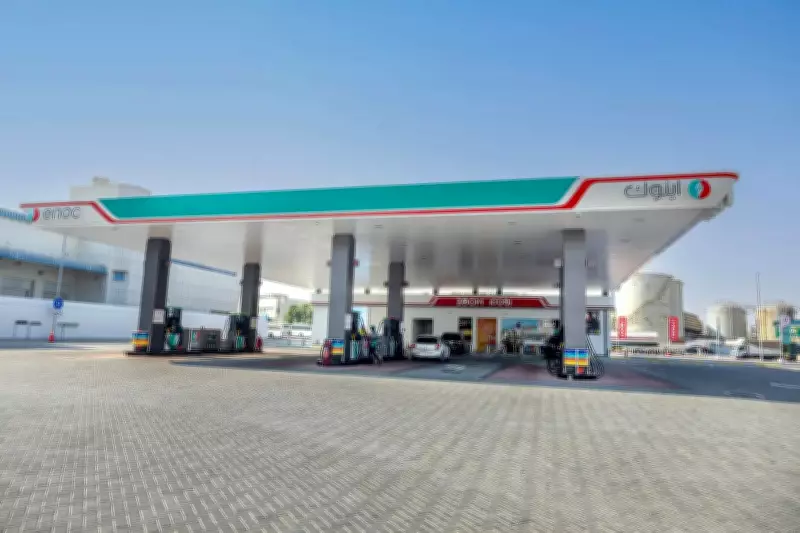
UAE Fuel Prices Projected to Increase in April 2026 Following Global Oil Rally
Fuel prices in the United Arab Emirates are anticipated to rise for April 2026, driven by a significant surge in global crude oil markets. International benchmark prices have climbed close to $115 per barrel in recent weeks, setting the stage for higher costs at the pump for UAE motorists.
Monthly Revision Mechanism Ties Domestic Rates to Global Benchmarks
The monthly fuel price revision, overseen by the UAE Ministry of Energy and Infrastructure, directly links domestic fuel rates to international benchmarks. Since the UAE deregulated fuel prices in 2015, adjustments have closely mirrored global trends, making international crude movements the primary factor influencing what consumers pay.
Sustained strength in oil markets throughout March is likely to push both petrol and diesel prices higher when the new rates are officially announced at the end of the month.

Recent UAE Fuel Price Trends Show Gradual Increase
Looking at recent data, UAE fuel prices have already been on a gradual upward trajectory:
- Super 98 petrol: Approximately Dh3.03 per litre
- Special 95 petrol: Approximately Dh2.92 per litre
- E-Plus 91 petrol: Approximately Dh2.85 per litre
- Diesel: Around Dh3.16 per litre
These March prices represented a slight increase compared to February, reflecting the early stages of the global oil rally. Energy analysts suggest the April revision could extend this trend further if crude prices remain elevated through the pricing cut-off period.
Global Crude Oil Prices Approach $115 Per Barrel
The surge in oil prices is primarily driven by tightening supply conditions alongside steady global demand. Production discipline among major exporters, particularly within the OPEC+ grouping, has maintained output restrictions even as consumption rebounds across key economies worldwide.
Simultaneously, geopolitical tensions in critical energy corridors have introduced additional uncertainty, supporting higher price levels. Strong demand from Asian markets and post-winter recovery trends have further tightened the delicate balance between global supply and consumption.
With Brent crude trading near the $115 mark, the associated costs of refining and distributing fuel increase substantially, which ultimately translates into higher retail pricing in markets like the UAE.
Understanding the UAE's Monthly Fuel Pricing Mechanism
Fuel prices in the UAE are determined through a structured, transparent mechanism that considers multiple factors:
- The average global oil price over the preceding month
- Refining costs and operational expenses
- Distribution margins and logistical considerations
The UAE Fuel Price Committee announces revised rates at the end of each month, with new prices taking effect from the first day of the following month. This system ensures transparency while also meaning domestic fuel rates respond quickly to shifts in global oil markets, whether upward or downward.
Potential Economic Impact of Higher Fuel Prices
An increase in fuel prices during April could lead to a gradual rise in residents' day-to-day expenses across the UAE. Higher petrol and diesel rates typically translate into increased commuting costs for individuals and families, and can also push up transportation and delivery charges for goods and services.
Businesses that rely heavily on logistics and transportation may feel the pressure more acutely, especially if elevated fuel costs persist over multiple months. However, despite these anticipated increases, fuel prices in the UAE remain comparatively lower than in many global markets due to minimal taxation and a robust domestic supply infrastructure.
Final April 2026 Prices Depend on Late March Oil Performance
The definitive fuel prices for April 2026 will ultimately depend on how crude oil performs during the closing days of March. If prices continue to hover around or above the $110–$115 per barrel range, an increase in UAE fuel rates appears highly probable.

However, any late correction in global oil markets could moderate the scale of the anticipated hike. For now, the broader trend suggests that motorists should prepare for slightly higher prices at the pump when April arrives.





