

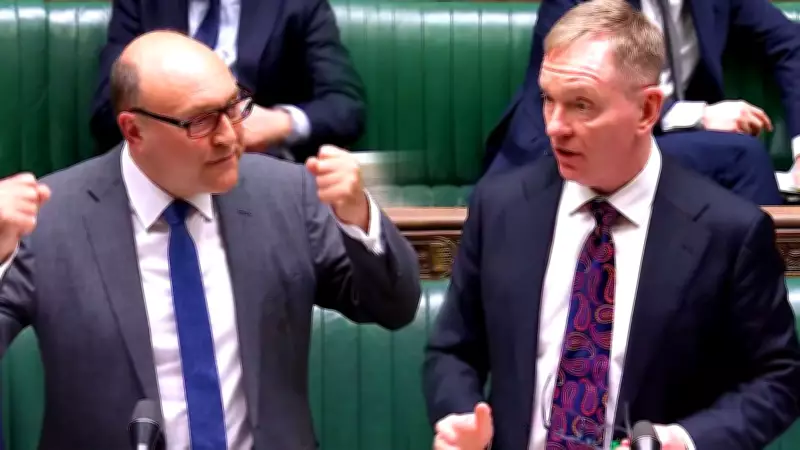
UK Parliament Debates India Trade Deal: 'Soggy Poppadums' vs 'Fine Tandoori'
The India-UK trade deal triggered a rare display of cross-party wit in the House of Commons, but the underlying debate was anything but lighthearted. Critics of the agreement accused the government of sacrificing UK services and workers while offering India faster tariff benefits, leading to a spirited exchange among MPs.
Critics Voice Concerns Over UK Services and Workers
Opposition members and some backbenchers raised alarms about the potential negative impacts on British industries. They argued that the deal might undermine UK services and put local workers at a disadvantage, with India receiving quicker access to tariff reductions. This criticism highlighted fears of economic displacement and job losses in key sectors.
Ministers Defend Deal with Hard Numbers
In response, government ministers presented hard data to counter these claims, emphasizing that the India-UK trade agreement represents Britain's most significant post-EU trade pact. They pointed to projections showing increased trade volumes and economic growth, framing the deal as a strategic move to strengthen bilateral ties.

Focus on Future Growth Amid Global Economic Shifts
Supporters of the deal stressed that it is about future growth rather than short-term political gains. With India poised to become a top global economy, they argued that securing this trade partnership now is crucial for long-term prosperity. The debate underscored the broader geopolitical context, including India's rising economic influence.
Parliamentary Sparring Reflects Broader Trade Tensions
The lively exchange in Parliament, marked by humorous jabs like 'soggy poppadums' versus 'fine tandoori,' reflected deeper tensions over trade policy post-Brexit. MPs traded charges over the deal's fairness and benefits, showcasing the high stakes involved in negotiating international agreements in a competitive global market.
As the discussion continues, the India-UK trade deal remains a focal point for debates on economic strategy, worker protections, and the UK's role in the world economy. The outcome of this parliamentary scrutiny could influence future trade negotiations and policy directions.






