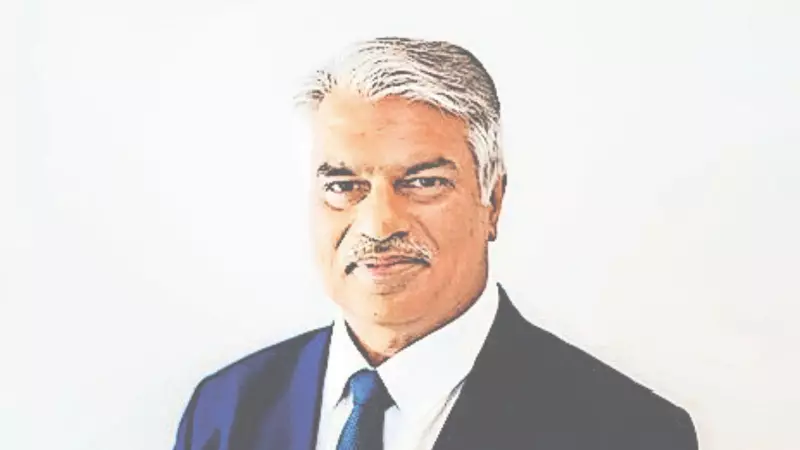
In a comprehensive interview with The Indian Express, UK Trade Commissioner for South Asia, Harjinder Kang, emphasized that India stands as the United Kingdom's foremost priority in the South Asian region. Kang, who also serves as the deputy High Commissioner for Western India and formerly led negotiations for the India-UK Comprehensive Economic and Trade Agreement (CETA), provided detailed insights into the burgeoning trade relationship between the two nations.
India: A Strategic Priority for the UK
Kang stated unequivocally that by far, India is the biggest priority for the UK in South Asia. He highlighted the country's rapid growth and favorable demographics, drawing a parallel to China's trajectory two decades ago. This focus underscores the UK's strategic interest in fostering deeper economic ties with one of the world's fastest-growing major economies.
Navigating Global Trade Dynamics
When questioned about US tariffs on India and the UK, Kang maintained that the UK-India relationship remains robust and unaffected. He clarified that the UK refrains from commenting on US tariff policy, emphasizing the strength of the bilateral bridge between India and the UK. Kang pointed out that if Indian companies face challenges in selling or investing in the US, the UK presents a viable alternative, welcoming increased Indian economic activity.

Progress on the India-UK Trade Deal
The ratification process for the Comprehensive Economic and Trade Agreement is proceeding smoothly, according to Kang. He explained that the UK's parliamentary review involves both the House of Commons and the House of Lords, with trade committees scrutinizing international deals. Kang anticipates completion within the first half of the year, expressing confidence that no significant obstacles will arise.
The trade deal is projected to boost bilateral trade by £25.5 billion ($34.25 billion) in the medium to long term. Even prior to ratification, trade has already increased from approximately £43 billion in FY24 to an estimated £47 billion, driven by heightened confidence from both sides. Kang noted a substantial appetite among firms to ease bilateral trade further.
Investment Flows and Sectoral Balance
Investment between the two countries is already substantial, with 700 UK companies operating in India and 900 Indian companies in the UK. Kang emphasized that the trade deal will enhance mid- to long-term confidence, crucial for investments with horizons of 5-10 years. He highlighted the importance of stability for firms considering establishing factories or making investments abroad.
Regarding the balance of trade, Kang noted that the UK's economy is predominantly service-based at around 80%, while India's services sector constitutes at least 50% of its economy. The Free Trade Agreement formalizes many service delivery schedules, providing long-term visibility and stability for both nations.
Gujarat's Role in India-UK Trade
Gujarat plays a significant role in India's trade with the UK, particularly in sectors like textiles and gems and jewellery. Kang mentioned that the FTA will substantially benefit Gujarat through lower tariffs, making its products more competitive. He also identified offshore wind energy as a promising area for collaboration, given Gujarat's vibrant coastline and the UK's expertise in this field.
Addressing Sanctions and Geopolitical Issues
Kang addressed the UK's sanctions on Gujarat refinery Nayara Energy for purchasing Russian crude, stating that the UK's position on the Russia-Ukraine War is "very, very clear." He explained that sanctions aim to curb oil trade financing the war, reflecting global geopolitical ramifications for trade.
The Indian Diaspora as a Bridge
The nearly 2 million-strong Indian diaspora in the UK serves as a vital bridge, enhancing cultural and business connectivity. Kang highlighted the diaspora's business acumen, particularly within Gujarati and Punjabi communities, and their role in fostering UK interest in India, often led by small and medium enterprises.
Academic links are also strengthening, with numerous UK university vice-chancellors visiting India. Kang pointed out the growing demand for UK-style education among India's emerging middle class, prompting explorations into campus establishments, joint degrees, and distance learning options.

Opportunities in Pharmaceuticals and Life Sciences
In the pharmaceutical sector, Kang noted India's thriving generic medicine industry and its move towards research and development. He emphasized the UK's strength in life sciences and expressed interest in partnerships that help Indian companies ascend the value chain. Collaborations are already occurring on company-to-company and university levels, with Indian firms showing interest in acquiring small UK firms in this space.
Global Cooperation in Future Pandemics
When asked about potential future pandemics, Kang affirmed that global collaboration would persist despite trade or geopolitical tensions. He stressed that pandemics concern the survival of the human race, prompting deep and rapid cooperation across borders.
This interview, conducted by Leena Misra and Brendan Dabhi in Ahmedabad, sheds light on the multifaceted and growing partnership between India and the UK, highlighting economic, cultural, and strategic dimensions that define this vital relationship.