

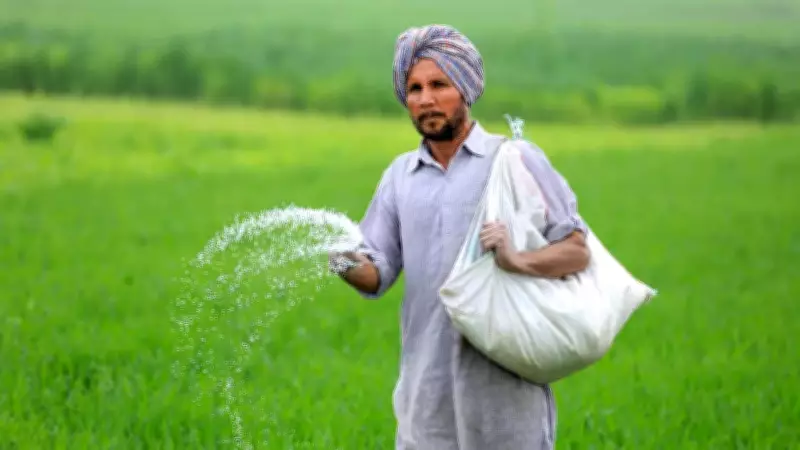
West Asia Conflict Disrupts Domestic Urea Manufacturing, Output Declines
Domestic urea production in India has been significantly impacted by the ongoing crisis in West Asia, with monthly output falling to approximately 18 lakh tonnes this month. This represents a notable decrease from the previous average production level of around 24 lakh tonnes per month, according to official statements.
Government Assures Adequate Fertiliser Stocks Amid Production Challenges
The government has maintained that there are sufficient stocks of fertilisers available nationwide and is actively pursuing alternative sourcing strategies to enhance supplies. Officials have emphasized that farmers should not panic, as the availability of essential soil nutrients remains adequate and will continue to be accessible at current prices.
Aparna Sharma, additional secretary in the fertilisers department, provided detailed insights during a media briefing on Monday. She revealed that the current stock of soil nutrients stands at 180 lakh tonnes, which is 22 percent higher than the corresponding period last year.

Strategic Measures to Boost Production and Secure Supplies
The government is implementing multiple strategies to address the production shortfall and ensure stable fertiliser availability:
- Enhanced LNG Procurement: Through fortnightly "spot buying" arrangements, LNG availability has increased to support domestic production. Currently, about 15 million standard cubic metres per day (mmscd) of gas is being procured from the spot market to meet the 52 mmscd requirements of fertiliser plants.
- Global Tender Initiatives: A global tender for 13.1 lakh tonnes of urea has been floated to diversify sourcing options.
- Long-term International Agreements: The government has established long-term supply arrangements with countries including Saudi Arabia and Oman, while also exploring additional sources such as Russia, Morocco, Australia, Indonesia, Malaysia, Jordan, Canada, Algeria, and Egypt.
Impact of West Asia Conflict on Fertiliser Sector
The conflict has created substantial challenges for India's fertiliser industry, as the Gulf region traditionally accounts for significant portions of key imports:
- Approximately 20-30 percent of India's urea imports
- Around 30 percent of Diammonium Phosphate (DAP) requirements
- Nearly 50 percent of Liquefied Natural Gas (LNG) needs
This disruption has led to increased costs across multiple inputs, including LNG, ammonia, and sulphur, while also elevating freight expenses substantially.
Production Recovery and Monitoring Mechanisms
Gas supply allocation notifications have temporarily reduced domestic urea production by 30,000-35,000 tonnes per day. In response, some units advanced their annual maintenance schedules. However, with 27 urea plants currently receiving gas supply and maintenance-completed units preparing to resume operations, production is expected to recover.
The government has implemented specific monitoring measures to ensure market stability:
- States have been instructed to vigilantly monitor any abnormal spikes in fertiliser sales during the "lean season"
- Stringent actions will be taken against any stockpiling or black marketing activities
- Spot LNG purchases have been secured at $19.5-19.6 per million British thermal unit (mmBtu), compared to pre-war rates of $11-12 per mmBtu
Financial Implications and Future Outlook
Officials have indicated that these combined factors will substantially increase the subsidy burden on the government. Despite these challenges, the strategic procurement of spot gas has improved LNG availability to 75-80 percent capacity, supporting the anticipated recovery in domestic urea production as maintenance-completed units gradually resume operations.






