

US Trade Representative Outlines Rationale for 18% Tariff on Indian Goods
US Trade Representative Jamieson Greer on Tuesday detailed the Trump administration's reasoning behind imposing an 18% tariff on Indian goods, pointing to Washington's substantial trade deficit with New Delhi as the primary factor.
Addressing the Trade Deficit
Greer emphasized that the decision to maintain a baseline 18% tariff reflects the scale and expansion of India's trade surplus with the United States. "The reason we’re maintaining some level of tariff at 18% is because we have this giant trade deficit with them," he stated. According to data from the US Census Bureau, India's trade surplus with the US surged to USD 53.5 billion during the first eleven months of 2025, a significant increase from USD 45.8 billion recorded for the entirety of 2024.
Finalizing the Trade Agreement
Greer confirmed that the United States is actively working to formally finalize the trade agreement with India, which was announced earlier in the week. "We’ll finish papering it, but we know the specifics, we know the details," he remarked. Under this pact, the US will reduce tariffs on most Indian goods to 18% from the previous 50%. He noted that India has consented to lower its tariffs on a range of American products, although some protection around agricultural goods will remain in place.

Zero Tariffs on US Products
In a key development, Greer revealed that India has agreed to slash tariffs on American industrial goods to zero from 13.5% and decrease duties on a broad array of agricultural and manufactured items. "For a variety of things, you know, tree nuts, wine, spirits, fruits, vegetables, etc, they're going down to zero," he explained. However, he did not address certain exclusions such as rice, beef, soybeans, sugar, or dairy products, which India also omitted from its recent trade deal with the European Union.
Agriculture, Energy Trade, and Russian Oil
Greer highlighted that the US will continue to advocate for enhanced access to protected segments of India's agriculture sector. The two nations have also reached an understanding on technical barriers to trade. "We’ve reached an understanding and an agreement with the Indians as well on a variety of technical barriers to trade, areas where they have not accepted US standards. We know American goods are safe," he asserted. He added that a process for recognizing US standards will be established, though India must navigate its own political procedures before implementation, potentially opening a market of over one billion people to more US goods.
Regarding energy trade, Greer mentioned that the US administration has been closely observing India's energy trade patterns, especially its imports of Russian crude oil. "Have been monitoring Indians winding down purchase of Russian oil," he said, noting opportunities for India to diversify its supply and increase purchases of US products. He recalled that India did not import Russian oil prior to 2022 and 2023 and has been working to scale down such purchases since late last year.
Political Backing and Indian Confirmation
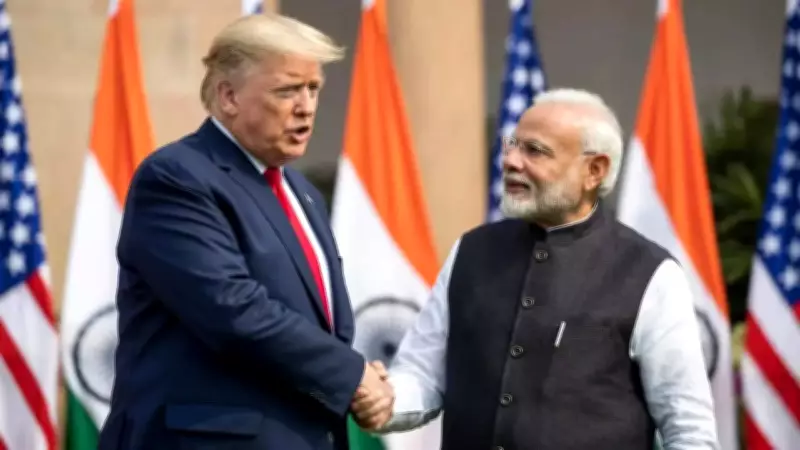
These remarks follow US President Donald Trump's announcement on February 2 that Washington would reduce reciprocal tariffs on Indian goods to 18% after a phone conversation with Prime Minister Narendra Modi, effectively cementing the agreement. In a post on Truth Social, Trump stated that India had agreed to cut tariffs and non-tariff barriers against the US to zero and committed to purchasing over $500 billion worth of American energy, technology, agricultural, and other products.
Commerce and Industry Minister Piyush Goyal confirmed that India has secured full protection for its sensitive agriculture and dairy sectors under the agreement. "The agreement will protect the sensitive sectors, the interests of our agriculture and our dairy sectors in full respect," Goyal affirmed during a press briefing. He described the deal as "very good" and highlighted that it would create opportunities for labor-intensive sectors such as:

- Textiles and apparel
- Home décor
- Leather and footwear
- Gems and jewellery
- Organic chemicals
- Rubber goods
- Machinery and aircraft
With US duties on these products dropping to 18%, Indian exporters are now positioned more favorably compared to competitors from countries like Vietnam and Bangladesh (facing 20% tariffs), and Malaysia, Cambodia, and Thailand (each at 19%).
Benefits and Implications of the Trade Deal
Under the proposed pact, India is expected to:
- Eliminate duties on some products immediately
- Phase out tariffs on others gradually
- Reduce import duties in select sectors
- Offer quota-based tariff concessions for certain items
Sensitive sectors, including agriculture and dairy, are entirely excluded from the agreement. Greater clarity on tariff modifications is anticipated through a US executive order and a joint India-US statement, both of which are pending.
The agreement is poised to benefit labor-intensive sectors that have been adversely affected by steep US tariffs, such as garments, leather and non-leather footwear, gems and jewellery, plastics, chemicals, carpets, and handicrafts. Exports from these sectors currently encounter tariffs of up to 50%, which will be reduced to 18%.
Trade Statistics and Major Products
From 2021 to 2025, the United States remained India's largest trading partner in goods. The US accounts for approximately 18% of India's total exports, 6.22% of imports, and 10.73% of overall bilateral trade.
India's Key Exports to the US in 2024:
- Drug formulations and biologicals: USD 8.1 billion
- Telecom instruments: USD 6.5 billion
- Precious and semi-precious stones: USD 5.3 billion
- Petroleum products: USD 4.1 billion
- Gold and other precious metal jewellery: USD 3.2 billion
- Vehicle and auto components: USD 2.8 billion
- Ready-made cotton garments: USD 2.8 billion
- Iron and steel products: USD 2.7 billion
Imports from the US in 2024:
- Crude oil: USD 4.5 billion
- Petroleum products: USD 3.6 billion
- Coal and coke: USD 3.4 billion
- Cut and polished diamonds: USD 2.6 billion
- Electric machinery: USD 1.4 billion
- Aircraft and spacecraft parts: USD 1.3 billion
- Gold: USD 1.3 billion
US services imports from India were estimated at USD 40.6 billion in calendar year 2024, predominantly driven by computer and information services (USD 16.7 billion) and business management and consulting services (USD 7.5 billion).





