

US Imposes 126% Tariff on Indian Solar Panel Imports
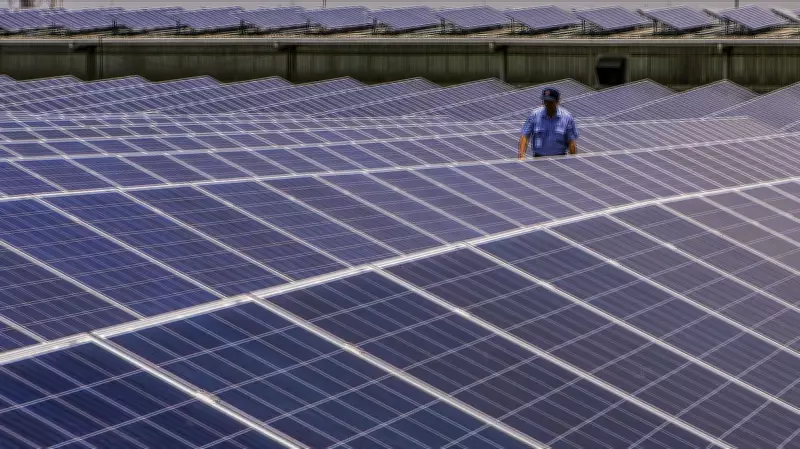
The United States has announced a significant tariff increase on solar panels imported from India, imposing a rate of 126%. This decision is expected to have substantial implications for trade relations between the two nations and India's burgeoning renewable energy industry.
Details of the Tariff Decision
The new tariff, set at 126%, applies specifically to solar panels manufactured in India and exported to the US market. This move is part of broader US trade policies aimed at protecting domestic industries and addressing concerns over international competition. The imposition of such a high tariff rate is likely to make Indian solar panels less competitive in the US, potentially reducing export volumes and affecting Indian manufacturers.
Impact on India's Solar Sector
India has been rapidly expanding its solar energy capacity, with the government setting ambitious targets under initiatives like the National Solar Mission. The US market has been a key destination for Indian solar panel exports, contributing to the growth of this sector. The 126% tariff could pose challenges for Indian companies, leading to:

- Reduced Export Revenue: Higher costs for US buyers may decrease demand for Indian panels.
- Supply Chain Disruptions: Manufacturers might need to reassess production and export strategies.
- Competitive Pressure: Indian firms could face increased competition from other countries with lower tariffs.
This development comes at a time when India is striving to enhance its renewable energy infrastructure to meet climate goals and reduce dependence on fossil fuels.
Broader Trade and Diplomatic Implications
The tariff imposition adds to existing trade tensions between the US and India, which have seen disputes over various sectors in recent years. It may prompt diplomatic discussions or negotiations to address trade imbalances and protect mutual interests. Analysts suggest that this could influence future trade agreements and cooperation on clean energy projects between the two countries.
In response, Indian authorities and industry stakeholders are likely to evaluate options such as seeking exemptions, exploring alternative markets, or enhancing domestic consumption to mitigate the impact. The situation underscores the complexities of global trade in the renewable energy sector and the need for strategic policy adjustments.






