US Supreme Court Prepares to Rule on Trump's Global Tariffs
The United States Supreme Court is set to issue a crucial verdict on former President Donald Trump's sweeping global tariffs. This high-stakes case examines the limits of presidential authority and carries significant implications for government finances and international trade.
Trump's Warning and Legal Battle
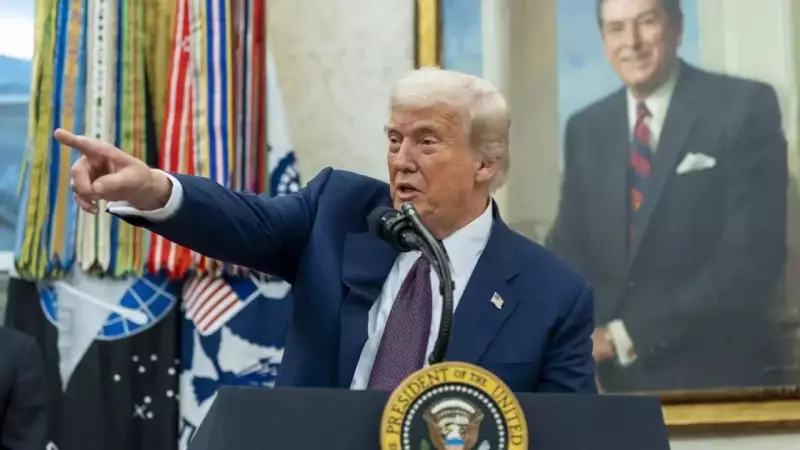
Ahead of the decision, Donald Trump issued a stark warning on his Truth Social platform. He stated that a ruling against the tariffs could trigger massive financial consequences for the United States. Trump emphasized that refunding collected duties would create what he called a "complete mess" for the country.
The legal challenge centers on Trump's use of the 1977 International Emergency Economic Powers Act. His administration invoked this statute by declaring a national emergency over the US trade deficit. Using this authority, the government imposed broad tariffs on imports from multiple countries.

Lower Court Rulings and Supreme Court Skepticism
Lower courts have already ruled against the Trump administration's position. A federal appeals court determined last August that the International Emergency Economic Powers Act does not authorize blanket global tariffs without congressional approval. The court found that Trump exceeded his presidential powers.
During oral arguments in November, Supreme Court justices from both conservative and liberal blocs expressed skepticism about the legal foundation of the tariffs. Justice Amy Coney Barrett specifically questioned how refunds would work if the court struck down the tariffs, echoing Trump's later description of the potential situation.
Opposition Arguments and Global Context
Opponents of the tariffs include a coalition of businesses and twelve US states. They argue that only Congress possesses the constitutional authority to impose taxes. These opponents maintain that trade deficits do not qualify as legitimate national emergencies under the law.
The case represents a broader examination of presidential authority since Trump's return to office in January 2025. It also carries implications for the global economy, particularly as China reported an unprecedented trade surplus of nearly $1.2 trillion in 2025. Chinese exports grew despite Trump's tariff escalation, with stronger shipments to diverse markets offsetting declines in US-bound exports.
Business Concerns and Refund Challenges
Businesses affected by the tariffs express concern about potential refunds even if the Supreme Court rules against Trump's policies. Jim Estill, CEO of Canadian appliance manufacturer Danby, noted that his company paid $7 million in tariffs. He suggested the government would be reluctant to return collected money, stating "It's not in the government's DNA to give back money."
Estill further explained that even if refunds became available, retailers like Home Depot and their customers might seek a share of any recovered funds. This complexity adds another layer to the potential financial fallout Trump warned about in his social media posts.
Broader Implications and Final Considerations
The Supreme Court's decision will clarify the scope of presidential power regarding international trade and national emergency declarations. It comes at a time when global trade patterns continue shifting, with China's export strength persisting despite trade tensions.
Trump's administration also used the same emergency powers statute to justify tariffs on China, Canada, and Mexico, citing fentanyl and illegal drug inflows as additional national emergency justifications. The court's ruling could therefore influence future presidential actions across multiple policy areas beyond traditional trade disputes.