

US Tariff Reduction from 50% to 18% to Revitalize Rajasthan's Rs 18,000 Crore Export Sector
Industry representatives in Jaipur have expressed optimism that the United States' decision to slash punitive tariffs on Indian goods from 50% to 18% will inject new vitality into Rajasthan's annual exports, which are valued at nearly Rs 18,000 crore. This significant tariff rollback is expected to breathe fresh life into the state's export-oriented industries, which had been severely impacted by the previous steep duties.
Restoring Competitiveness in Global Markets
Following the imposition of a hefty 50% tariff by the US in August 2025, shipments from Rajasthan to the American market came to a virtual standstill. This punitive measure prompted US buyers to shift their sourcing to alternative countries such as Vietnam, Bangladesh, and Indonesia. Consequently, container dispatches from major dry ports and inland container depots in Jaipur and Jodhpur plummeted to less than half of their previous levels, causing significant disruptions to the state's export economy.
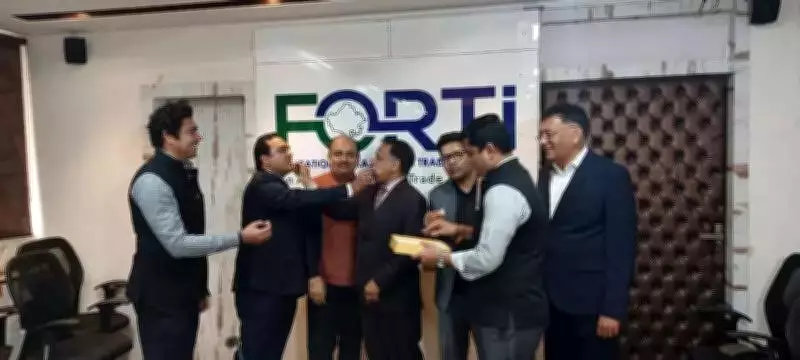
Suresh Agrawal, president of the Federation of Rajasthan Trade and Industry (FORTI), emphasized the positive impact of the new trade arrangement. "Rajasthan's labour-intensive sectors will be back in the game. The new trade arrangement has brought major relief to key industries, including gems and jewellery, handicrafts, marble and granite, ready-made garments, durries and carpets, and engineering goods." Agrawal further noted that the agreement will restore exporters' competitiveness and provide them with a genuine opportunity to reclaim lost market share in the United States.

Recovering from Severe Setbacks
Rajat Mathur, secretary of the Federation of Rajasthan Handicraft Exporters, highlighted the competitive landscape. "Our biggest competition in the US market was from Vietnam, Bangladesh and Indonesia. With an 18% tariff, we will be in the strongest position. More than half of our factories were solely dependent on US orders, which were severely hit over the last 6 months." Mathur pointed out that the United States accounts for over 60% of Rajasthan's exports to overseas markets, underscoring the critical importance of this market for the state's economic health.
Mathur added, "While basic MFN duties ranging from 0% to 13.9% will continue to apply, the overall tariff burden is significantly lower than before." This reduction is expected to alleviate the financial strain on exporters and enhance their ability to compete effectively on the global stage.
Industry Leaders Welcome the Decision
Echoing the positive sentiment, Ashok Maheshwari, convener of the Jaipur Jewellers Association's JAS show, described the tariff reduction as a lifeline for the industry. "This decision is nothing short of a lifeline. We will now move swiftly to revive old orders and secure new ones." Approximately 50% of dimension stones from Rajasthan are exported to the US, making this sector particularly vulnerable to tariff fluctuations.
The high tariffs had forced many factories to shut down operations, and businessmen who were expanding their facilities had to halt their projects midway. Rakesh Kumar Gupta, vice chairman of the Centre for Development of Stones, expressed confidence in the industry's recovery. "After the trade deal comes into effect, the industry can revert to normalcy within two to three months. We need to reconnect with buyers again."
Key Sectors Poised for Revival
The tariff reduction is set to benefit several key sectors in Rajasthan, including:

- Gems and Jewellery: A major export category that had faced significant challenges due to the high tariffs.
- Handicrafts: Traditional crafts that are a hallmark of Rajasthan's cultural heritage and export portfolio.
- Marble and Granite: Dimension stones that are in high demand in international markets.
- Ready-made Garments: Textile products that contribute substantially to the state's export earnings.
- Durries and Carpets: Handwoven floor coverings that are popular globally.
- Engineering Goods: Industrial products that have been affected by the tariff barriers.
With the revised tariff structure, Rajasthan's exporters are now better positioned to regain their foothold in the US market and drive economic growth in the region.





