

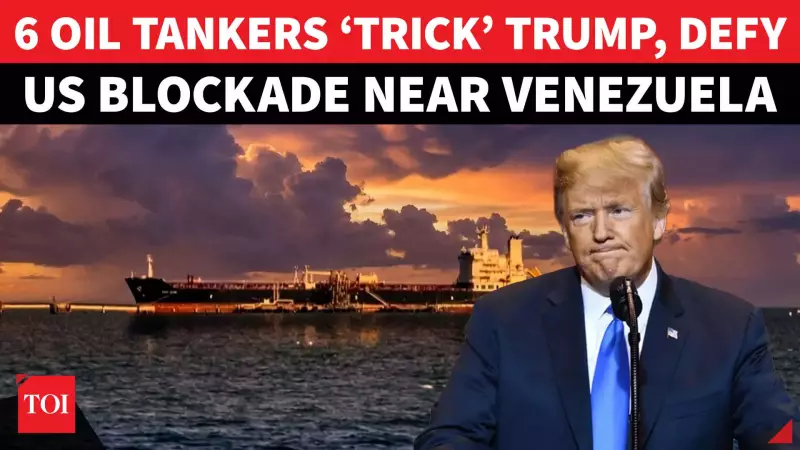
In a significant blow to Venezuela's efforts to circumvent international sanctions, a fleet of its oil tankers attempting to sail undetected has been forced to turn back. The vessels, which had switched off their tracking systems to operate in 'dark mode,' retreated to Venezuelan waters after facing aggressive enforcement from the United States.
The Cat-and-Mouse Game at Sea
The incident, which came to a head in early January 2026, highlights the escalating tensions over Venezuela's crucial oil exports. The U.S. has maintained a strict maritime blockade, targeting ships carrying Venezuelan crude and fuel. In response, several tankers adopted covert tactics, turning off their Automatic Identification Systems (AIS) to disappear from global tracking maps. This high-stakes game of hide-and-seek lasted for weeks on the open seas.
However, the U.S. enforcement apparatus proved relentless. American authorities managed to intercept multiple vessels. In a decisive move, one ship was reportedly seized, sending a clear message to the rest of the fleet. Faced with this heightened pressure and the tangible risk of confiscation, the remaining 'dark' tankers abandoned their voyages and reversed course, returning to the relative safety of Venezuelan jurisdiction.

Pressure Mounts on Venezuelan Exports
This failed evasion attempt underscores the growing stranglehold Washington has on Caracas's primary source of revenue. The U.S. sanctions regime is designed to cripple the oil-dependent economy of Venezuela, and the latest enforcement actions show its increasing effectiveness. The blockade tightens control over key shipping routes, making it exceedingly difficult for sanctioned cargo to reach international markets without detection.
Interestingly, this crackdown occurs against a backdrop of ongoing diplomatic talks. There are discussions about allowing some Venezuelan crude exports under a licensed framework supervised by the U.S. The recent interception of the 'dark fleet' could be seen as a demonstration of American leverage, proving that unauthorized shipments will not be tolerated even as negotiations for a potential legal channel continue.
Implications for Global Oil Trade
The repercussions of this event extend beyond the Caribbean. It serves as a stark warning to other actors in the global shipping industry who might consider aiding sanctioned regimes. The successful identification and interception of vessels operating without transponders demonstrate advanced maritime surveillance capabilities.
The key takeaways from this development are clear:
- The U.S. is rigorously enforcing its sanctions on Venezuelan oil.
- Evasion tactics like 'dark mode' sailing carry a high risk of failure and seizure.
- Venezuela's ability to generate independent oil revenue is under severe pressure.
- Future exports may hinge on a U.S.-supervised licensing deal.
The retreat of the tankers marks a tactical victory for the U.S. blockade strategy. It reinforces the message that the maritime pathways for sanctioned Venezuelan oil are effectively closed, pushing the Nicolas Maduro government further towards the negotiating table for any potential economic relief.






