West Asia Conflict Triggers Commercial LPG Shortage Across Indian Cities
The escalating tensions in West Asia have begun to significantly impact India's energy supply chain, with major cities now experiencing disruptions in the availability of commercial LPG cylinders. These cylinders are essential for restaurants, hotels, and various food businesses that rely on them for daily cooking operations. Industry bodies report that the effects are already being acutely felt in metropolitan centers including Bengaluru, Mumbai, and Chennai.
Government Prioritizes Household Supply Amid Crisis
In response to the widening conflict, Indian authorities have implemented a revised priority system for allocating domestically produced natural gas. A recent gazette notification cited by PTI confirms that LPG production, along with CNG and piped cooking gas, has been placed at the very top of the allocation list. Their requirements will be fully met before other sectors. This move is designed to ensure that domestic LPG supplies for households remain uninterrupted, safeguarding residential consumers. However, this prioritization has inadvertently tightened availability for commercial establishments.
To manage the situation, the government has formed a special committee comprising three Executive Directors from major Oil Marketing Companies. This panel is tasked with examining and reviewing requests for LPG supply specifically from restaurants, hotels, and other affected industries.

City-Wise Impact and Industry Reactions
Karnataka (Bengaluru): The situation is particularly severe in Bengaluru. The Bangalore Hotels Association announced that hotel and restaurant operations could face major disruptions starting March 10, following a sudden halt in commercial gas cylinder supply. DK Shivakumar, Karnataka's Deputy Chief Minister and State Congress President, stated on Tuesday that the state's entire hotel and commercial industry has been adversely affected.
PC Rao, honorary president of the association, revealed that only about 10% of Bengaluru's hotels and restaurants received their LPG supply recently. He warned that kitchens might only have enough gas to operate until Tuesday afternoon or evening. The association emphasized that the hotel industry is an essential service, catering to students, medical professionals, and the general public who depend on them for daily meals. A prolonged disruption could severely impact these groups.
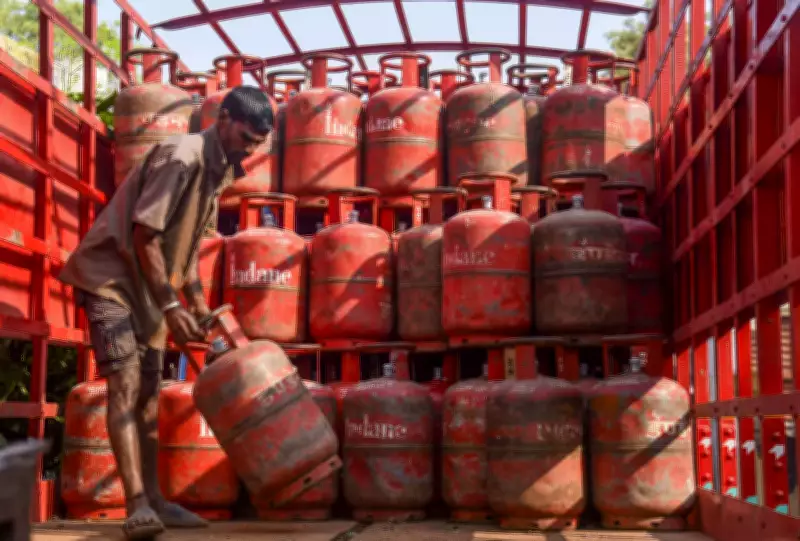
Maharashtra (Mumbai & Pune): Mumbai is already witnessing the consequences. Local LPG dealers report that the disruption has begun affecting cooking gas availability, with consumers facing refill delays of two to eight days. More critically, the supply of commercial cylinders to hotels and restaurants has been completely halted, potentially pushing eateries into a crisis. Dealers cautioned that commercial establishments might be forced to illegally source domestic cylinders from the black market, a practice they described as both dangerous and unlawful.
In Pune, Municipal Commissioner Naval Kishor Ram noted that while all 27 city crematoriums remain operational, the 18 facilities dependent on LPG will be temporarily shut to prevent a shortage. He assured that alternative facilities are available.
West Bengal (Kolkata): Concerns are mounting in Kolkata as well. Restaurants and bakeries that depend on LPG are scrambling for alternatives after the Union Ministry of Petroleum and Natural Gas suspended the distribution of non-domestic LPG cylinders. Sources within the hospitality sector warn that operations could be significantly affected if the suspension of commercial LPG supply continues.
Government's Crisis Management Measures
In light of the geopolitical disruptions affecting fuel supply, the government has activated several key measures:

- Increased Production: Oil refineries have been directed to ramp up LPG output and divert the additional production specifically for domestic consumption.
- Extended Refill Cycle: To prevent hoarding and black marketing, the gap between permissible LPG refill bookings has been extended from 21 days to 25 days.
- Review Committee: As mentioned, a committee of OMC Executive Directors has been constituted to review representations and requests for LPG supply from the commercial sector.
Root Causes of the Sudden Shortage
India's annual LPG consumption is approximately 31.3 million tonnes. Nearly 87% of this is used in household kitchens, with the remaining 13% catering to commercial users like hotels and restaurants. A critical vulnerability is that around 62% of the country's LPG requirement is met through imports.
The recent attacks involving the US, Israel, and Iran, and the subsequent disruptions to oil shipments through the Strait of Hormuz, have raised serious concerns. This corridor is a vital route for India's LPG imports, with nearly 85–90% of shipments from nations like Saudi Arabia passing through it. As the conflict intensifies, India is now actively exploring alternative import sources, including regions like Russia and West Africa, to secure its fuel supply chain.
The cascading effects of the West Asia conflict are now being felt on the ground in India, highlighting the interconnectedness of global energy markets and local business operations. The coming days will be crucial as authorities balance domestic needs with the survival of a critical segment of the hospitality industry.