

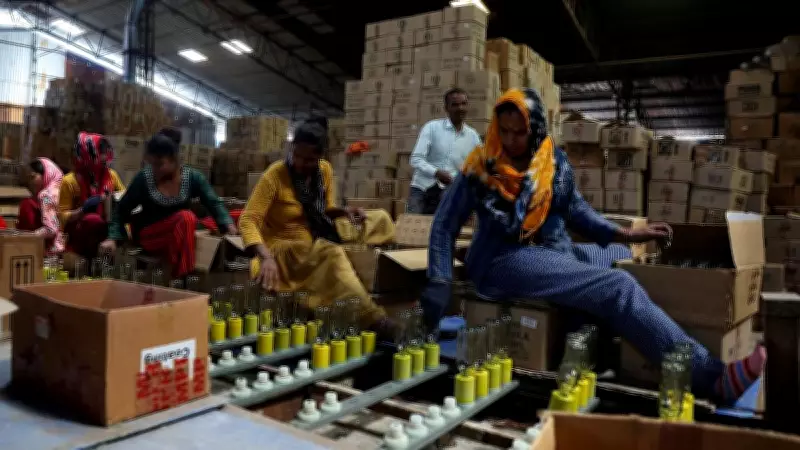
West Asia War Disrupts India's Glass Heartland, Testing Manufacturing Drive
The ongoing conflict in West Asia is severely impacting India's glass manufacturing heartland, posing significant challenges to New Delhi's ambitious manufacturing initiatives. This disruption highlights critical vulnerabilities in India's industrial sector, driven by its heavy dependence on natural gas across various economic segments.
Gas Reliance Exposes Industrial Vulnerabilities
India's economy relies extensively on natural gas, with usage spanning businesses of all sizes, households, agriculture, and public transport systems. This widespread dependency renders Indian factories, particularly in the glass industry, among the most vulnerable in Asia to geopolitical shocks. The West Asia conflict has led to supply chain disruptions and price volatility, directly affecting production costs and operational stability in key manufacturing hubs.
Impact on Glass Manufacturing Sector
The glass industry, a cornerstone of India's manufacturing landscape, is experiencing acute strain due to the conflict. Key effects include:

- Increased Production Costs: Fluctuations in gas prices have escalated operational expenses, squeezing profit margins for manufacturers.
- Supply Chain Delays: Disruptions in logistics and raw material imports from affected regions are causing production slowdowns.
- Export Challenges: International trade routes are compromised, hindering the export of glass products and affecting global competitiveness.
These factors collectively threaten to undermine India's progress in boosting domestic manufacturing and achieving self-reliance goals.
Testing New Delhi's Industrial Policies
The crisis is putting New Delhi's manufacturing drive to the test, revealing gaps in resilience and contingency planning. Government schemes aimed at enhancing industrial output must now address these vulnerabilities by:
- Diversifying Energy Sources: Reducing reliance on gas through investments in renewable energy and alternative fuels.
- Strengthening Supply Chains: Developing robust logistics networks less susceptible to geopolitical tensions.
- Supporting Affected Industries: Providing financial aid and policy adjustments to help sectors like glass manufacturing navigate the turmoil.
This situation underscores the need for adaptive strategies to safeguard India's economic interests amid global uncertainties.
Broader Economic Implications
Beyond the glass sector, the conflict's ripple effects are felt across India's economy, influencing sectors such as agriculture and transportation that also depend on gas. This interconnected vulnerability calls for a holistic approach to risk management, ensuring that India's manufacturing ambitions are not derailed by external crises. As the situation evolves, stakeholders are closely monitoring developments to mitigate long-term impacts on industrial growth and economic stability.






