CBSE Class 10 Hindi Exam 2026: Essential Preparation Strategies
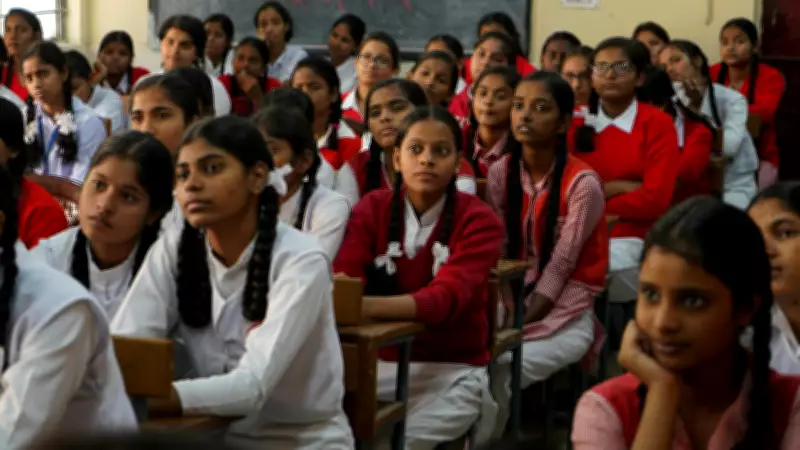
The Central Board of Secondary Education (CBSE) has scheduled the Class 10 Hindi board examination for Monday, March 2, 2026, from 10:30 a.m. to 1:30 p.m. This significant paper evaluates students' language proficiency, comprehension, expression, and writing abilities, covering grammar, prose, poetry, unseen comprehension, and formal writing skills. As the exam approaches, subject teachers have outlined practical measures to help students use the remaining time effectively and avoid common errors.
Focus on Understanding Over Memorization
Teachers caution students against relying solely on rote learning. Concepts such as compound words, sentence types, idioms, and proverbs require conceptual clarity. When fundamentals are understood, answers can be framed accurately, reducing mistakes. Sanjesh Sharma, TGT Hindi at SKV SRC, Khajoori Khas Chowk, a Delhi government school, emphasized, "Pay special attention to grammar, because beyond the textbook, 40 to 45 marks depend on your grammar. Unseen prose, poetry, paragraph writing, information writing, email writing, sentence division, voice inflection, and word introduction all fall under grammar. If a student prepares well for this section, they can score very well."
Strategy for Solving Unseen Passages
Unseen passages, though high-scoring, often cause anxiety. Sharma advised, "First, carefully read the entire passage and understand its main point. Only then write answers. Write only what is asked. Especially for cause-and-effect questions, provide clear answers in your own words." Demonstrating understanding is essential for securing full marks, as memorization alone is insufficient; comprehension forms the basis for higher scoring.

Manage Time Systematically in the Examination Hall
Time management is critical during the three-hour paper. Students should read the question paper completely upon receipt and begin with questions they can answer confidently, building momentum and reducing pressure. Sharma added, "Set a time limit for each section in advance so no questions are missed. After completing the paper, use the last five to seven minutes to check spelling, grammar, and incomplete answers. Clear and organized answers create a positive impression and can increase marks."
Prepare Prose and Poetry with Context
In the prose section, understanding the storyline, characters, and dialogues is necessary. Identifying the central message of each chapter assists in answering short and explanatory questions. For poetry, memorizing meanings alone is insufficient. Sharma said, "It is important to understand the central theme of the poem, the poet's thoughts, and the context of key lines. When writing an exposition, mention the context and keep the answer concise but clear."
Follow Correct Format in Formal Writing
Format plays a decisive role in information writing, letters, and emails. Complaint letters, applications, and editorial letters are frequently included. Practicing formats beforehand prevents loss of marks. Solving previous years' question papers familiarizes students with patterns, recurring topics, and answer structures. According to Sharma, "If children thoroughly read the textbook, they can write questions and answers well and also perform well on prose and poetry passages. If a child can do this, they can easily score 70 to 75 marks."
Final Tips for Exam Day
Students are advised to avoid starting new topics at the last moment, sleep adequately, and have breakfast before the examination. Remaining calm and composed is essential for steady performance in the examination hall. By focusing on these strategies, students can approach the CBSE Class 10 Hindi exam with confidence and aim for high scores.