JEE Main 2026 January 28 Shift 2: A Comprehensive Analysis of the Engineering Entrance Exam
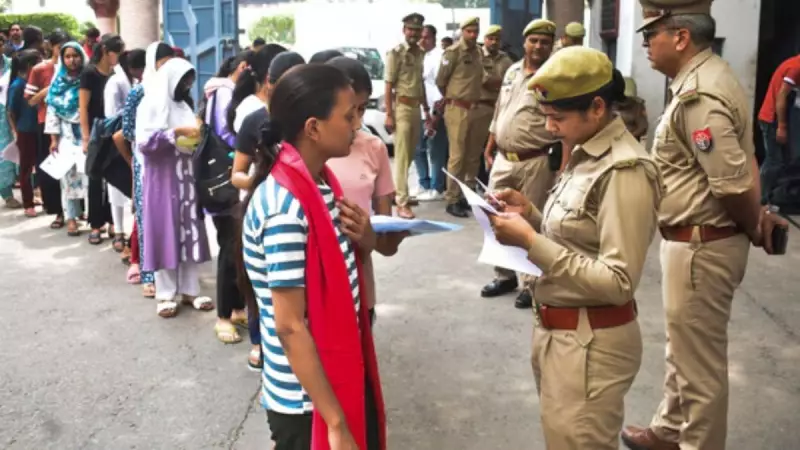
The Joint Entrance Examination (JEE) Main 2026 for the January 28 session has wrapped up its second shift, with students and experts providing initial feedback on the paper's difficulty and structure. Conducted by the National Testing Agency (NTA), this exam is a critical gateway for admissions to prestigious engineering institutions across India, including the Indian Institutes of Technology (IITs) and National Institutes of Technology (NITs).
Overall Difficulty Level: Moderate to Tough
According to preliminary reports from students who appeared for the JEE Main 2026 January 28 Shift 2, the overall difficulty level of the paper was rated as moderate to tough. Many candidates found the exam challenging, particularly in certain sections, which could impact the cutoff scores for this session. The paper followed the standard pattern with questions from Physics, Chemistry, and Mathematics, but the distribution of easy and difficult questions varied across subjects.
Section-Wise Paper Review and Analysis
Here is a detailed breakdown of each section based on student feedback and expert observations:

Physics: The Most Challenging Section
The Physics section in JEE Main 2026 January 28 Shift 2 was reported to be the most difficult among the three subjects. Students highlighted that questions from topics like Electrodynamics, Modern Physics, and Mechanics were particularly tricky and required in-depth conceptual understanding. Numerical problems were time-consuming, and some questions involved complex calculations that tested problem-solving skills under pressure.
Chemistry: Balanced with a Mix of Theory and Numericals
Chemistry was perceived as relatively balanced, with a good mix of theoretical and numerical questions. Organic Chemistry and Inorganic Chemistry sections had straightforward questions, while Physical Chemistry included some challenging numericals. Overall, students who had a strong grasp of fundamentals found this section manageable, though it still demanded careful attention to detail.
Mathematics: Moderate Difficulty with Tricky Problems
The Mathematics section in this shift was of moderate difficulty, with a few tricky problems that could stump unprepared candidates. Topics such as Calculus, Algebra, and Coordinate Geometry featured prominently, and some questions required innovative approaches. Time management was crucial here, as lengthy calculations could slow down progress.
Student Reactions and Feedback
Post-exam, students shared mixed reactions on social media and forums. Many expressed that the Physics section was unexpectedly tough, leading to time constraints in other sections. However, others felt that consistent preparation helped them navigate the challenges. Common points from student feedback include:
- Physics questions were more conceptual and less formula-based.
- Chemistry was the easiest section for most candidates.
- Mathematics had a fair distribution of easy and hard questions.
- Overall, the paper was lengthier compared to previous shifts.
Implications for JEE Main 2026 Cutoffs and Future Sessions
Given the moderate to tough difficulty level of JEE Main 2026 January 28 Shift 2, experts predict that the cutoff scores for this session might be slightly lower than in easier papers. This analysis is crucial for candidates preparing for upcoming shifts, as it highlights areas to focus on, such as strengthening Physics concepts and practicing time-bound Mathematics problems. The NTA is expected to release the official answer key and results in the coming weeks, which will provide a clearer picture of performance trends.
In summary, the JEE Main 2026 January 28 Shift 2 presented a challenging yet fair test for engineering aspirants. With Physics being the standout difficult section, students are advised to review their preparation strategies and stay updated with official announcements from the NTA for further guidance.