JEE Main 2026 Shift 2 Analysis: Comprehensive Paper Review and Student Reactions
The Joint Entrance Examination (JEE) Main 2026 conducted its second shift on April 2, 2026, drawing significant attention from engineering aspirants across India. This analysis provides a detailed review of the paper based on feedback from students and expert teachers, offering insights into the difficulty level, question patterns, and overall performance expectations.
Paper Structure and Difficulty Assessment
The JEE Main 2026 Shift 2 paper followed the standard format with three sections: Physics, Chemistry, and Mathematics. According to preliminary reports, the overall difficulty was rated as moderate to challenging, with variations across subjects. Physics was noted as the toughest section, featuring several application-based questions that tested conceptual depth. Chemistry, particularly Organic Chemistry, was considered relatively easier but included tricky numericals in Physical Chemistry. Mathematics maintained a balanced approach with a mix of straightforward and complex problems, especially in Calculus and Algebra.
Student Reactions and Feedback
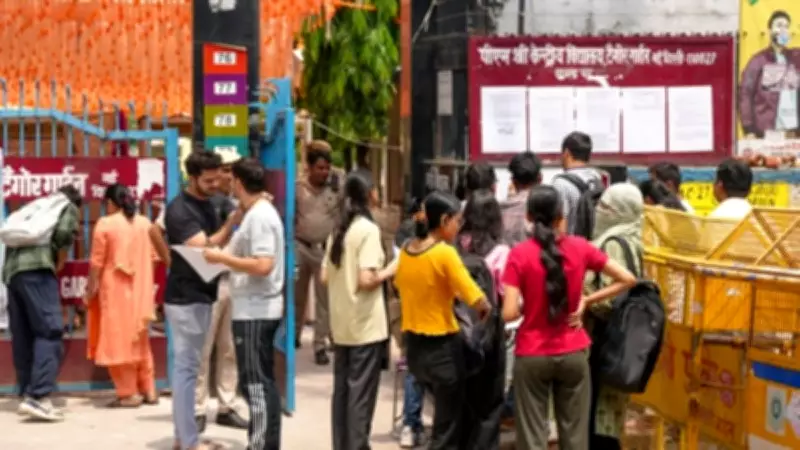
Students who appeared for Shift 2 expressed mixed reactions. Many found the Physics section demanding, citing time management issues due to lengthy calculations. "The questions required a strong grasp of fundamentals, and I struggled with the time pressure," shared one aspirant from Delhi. Conversely, several students praised the Chemistry section for being predictable and aligned with previous years' trends. Overall, the sentiment leaned towards cautious optimism, with most expecting a competitive cutoff similar to last year.

Expert Teacher Review and Insights
Leading educators and coaching institutes provided a thorough analysis of the paper. They highlighted that the JEE Main 2026 Shift 2 emphasized analytical thinking and problem-solving skills over rote memorization. Key observations include:
- Physics: Focus on modern physics and electromagnetism with fewer direct formula-based questions.
- Chemistry: Increased weightage on Environmental Chemistry and Biomolecules, reflecting current trends.
- Mathematics: Integration of real-world applications in problems, particularly in Statistics and Probability.
Experts advised future aspirants to strengthen their conceptual understanding and practice time-bound mock tests to handle such papers effectively.
Performance Predictions and Cutoff Trends
Based on the analysis, the expected cutoff for JEE Main 2026 is projected to remain stable, with minor fluctuations. The moderate difficulty level suggests that high scorers might achieve marks in the range of 250-300, while the general cutoff could hover around 90-100 for general category students. However, final outcomes will depend on overall shift performances and normalization processes conducted by the National Testing Agency (NTA).
Conclusion and Preparation Tips
The JEE Main 2026 Shift 2 analysis underscores the exam's evolving nature, prioritizing critical thinking and application. Aspirants are encouraged to focus on:
- Deepening conceptual knowledge across all subjects.
- Regular practice with previous years' papers and mock tests.
- Time management strategies to tackle lengthy sections efficiently.
This review aims to guide students in refining their preparation strategies for upcoming shifts and the advanced JEE examination.