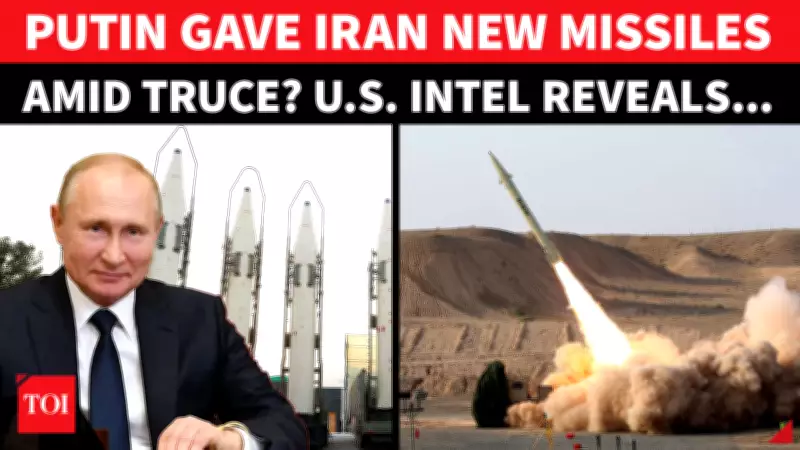
Western intelligence sources now believe Iran used an eight-week ceasefire with the United States to rapidly restore its military capabilities, with significant assistance from Russia. Reports indicate new Russian-made missile deliveries and revived production lines have enabled Tehran to rebuild its offensive power far faster than adversaries anticipated.
Rebuilding Under Ceasefire
The ceasefire, which lasted approximately two months, provided Iran with a critical window to replenish its arsenal. Intelligence assessments suggest that during this period, Iran received advanced weaponry from Russia, including missile systems, and restarted domestic production of key military components. This development contradicts earlier claims by American and Israeli officials that Iran's military infrastructure had been nearly destroyed.
Impact on Regional Balance
The rapid rearmament could shift the balance of power in the Middle East if hostilities resume. Analysts warn that Iran's enhanced capabilities may embolden its military posture against regional rivals and U.S. forces. The intelligence also raises questions about the effectiveness of previous sanctions and military strikes aimed at degrading Iran's defense industry.

Key Details:
- Russia allegedly supplied Iran with new missile systems during the ceasefire.
- Iran revived production lines for domestic arms manufacturing.
- Earlier U.S. and Israeli assessments of Iran's arsenal destruction are now in doubt.
Broader Implications
The intelligence leak has sparked debate among Western allies about the need for renewed diplomatic or military action. Some officials argue that the ceasefire was exploited by Iran to gain a strategic advantage, while others caution against escalating tensions prematurely. The situation remains fluid, with ongoing monitoring by intelligence agencies.
This development underscores the complex dynamics of the Iran-Russia partnership, which has deepened amid shared opposition to U.S. policies in the region. As Iran's military capabilities rebound, the potential for future conflict remains high, particularly if nuclear negotiations stall.