

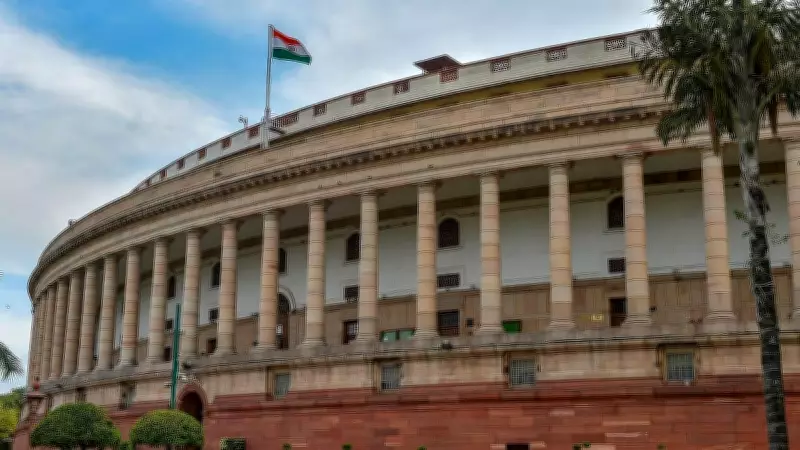
Despite widespread media reporting on the twin notices of the impeachment motion submitted by the Opposition MPs, nobody outside Parliament seems to have actually seen their contents. This raises serious questions about the state of parliamentary privilege and transparency in India.
The Secrecy Surrounding Impeachment Notices
The notices, which were reportedly submitted by members of the Opposition, have not been made public. This lack of transparency is concerning, as impeachment is a serious constitutional process. The media has reported on the existence of these notices, but without access to the actual documents, the public cannot verify the grounds or the validity of the motion.
Implications for Democratic Accountability
This situation underscores a broader issue of unequal privilege within the parliamentary system. While MPs have the right to initiate impeachment proceedings, the secrecy surrounding such motions undermines democratic accountability. Citizens have a right to know the basis on which their elected representatives seek to remove a high constitutional authority.

The Opposition has argued that the notices are a matter of public interest and should be disclosed. However, the ruling party has maintained that parliamentary procedures must be followed, and that the notices are internal documents. This standoff highlights the tension between parliamentary privilege and the public's right to information.
Historical Context and Precedents
Previous impeachment motions in India have also faced similar opacity. For instance, the impeachment motion against Justice V. Ramaswami in 1993 was shrouded in secrecy, with the public only learning about the proceedings through leaks and media reports. This pattern suggests a systemic issue rather than an isolated incident.
In contrast, other democracies like the United States have a more transparent process, where impeachment resolutions are made public immediately after submission. This allows for public scrutiny and debate, strengthening the democratic process.
The Role of Media and Civil Society
The media has a crucial role in demanding transparency and holding Parliament accountable. However, without access to primary documents, journalists are forced to rely on anonymous sources and speculation. Civil society organizations have also called for the release of the notices, arguing that secrecy breeds mistrust and undermines the legitimacy of parliamentary proceedings.
The current situation is a stark reminder of the unequal privilege enjoyed by MPs, who can access information that is denied to the public. This disparity needs to be addressed to restore faith in India's democratic institutions.
Conclusion
The secrecy surrounding the impeachment notices is a symptom of a larger problem of unequal privilege in Indian politics. To strengthen democracy, Parliament must embrace transparency and ensure that all constitutional processes are open to public scrutiny. Only then can citizens truly participate in the democratic process and hold their representatives accountable.






