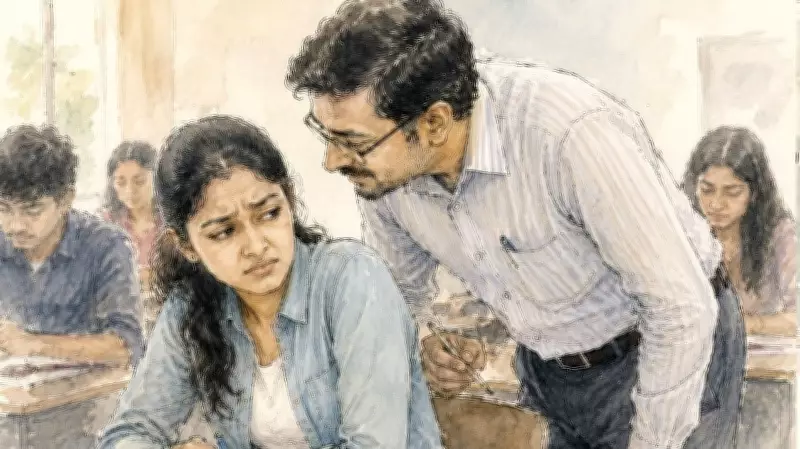
Overcrowded classrooms have become a pressing issue in India's education system, raising concerns among educators, parents, and policymakers. With student numbers often exceeding 50 per class, the learning environment is compromised, leading to reduced individual attention and increased stress for both students and teachers.
The Scale of the Problem
According to recent reports, many government schools in India have class sizes well above the recommended 30-40 students. This overcrowding is particularly acute in rural areas and urban slums, where resources are already scarce. The Right to Education Act mandates a student-teacher ratio of 30:1, but violations are widespread.
Impact on Learning
Research indicates that smaller class sizes significantly improve student outcomes. In overcrowded classrooms, teachers struggle to engage every student, leading to lower academic performance and higher dropout rates. Students in such environments often feel neglected, which can affect their motivation and self-esteem.

Health and Safety Concerns are also paramount. Overcrowded rooms increase the risk of airborne diseases, especially in poorly ventilated spaces. During the pandemic, this issue became even more critical, with social distancing nearly impossible in many schools.
Expert Opinions
Education experts emphasize the need for immediate action. Dr. Anjali Sharma, a prominent educationist, states, "Overcrowding is not just an inconvenience; it is a barrier to quality education. We must invest in more schools and teachers to ensure every child gets the attention they deserve."
Another concern is the teacher burnout caused by large classes. Teachers are overburdened with grading, lesson planning, and classroom management, leaving little time for innovative teaching methods or personalized support.
Possible Solutions
- Building more schools in densely populated areas.
- Hiring additional qualified teachers to meet the required student-teacher ratio.
- Implementing double-shift systems to reduce class sizes.
- Utilizing technology to supplement learning and provide individualized instruction.
While these solutions require significant investment, the long-term benefits for India's human capital are immense. A well-educated population is crucial for economic growth and social development.
Conclusion
The issue of overcrowded classrooms cannot be ignored. It demands a multi-pronged approach involving government funding, community participation, and innovative educational strategies. As India strives to become a global leader, ensuring quality education for all must be a top priority. The future of millions of children depends on it.