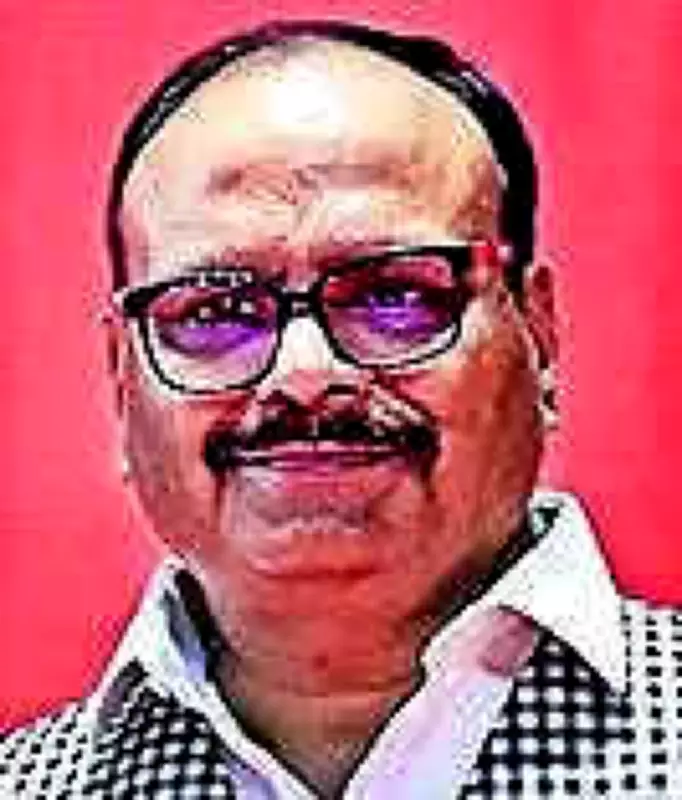
Lucknow: Deputy Chief Minister Brajesh Pathak stated on Saturday that the Uttar Pradesh government has successfully dismantled the cheating mafia that previously facilitated malpractice in examinations, thereby ensuring a fair and equitable environment for diligent students.
Speaking at The Times of India-Navbharat Times Education and Career Fair, Pathak emphasized, "We can compromise on other expenses, but not on education. In the past, the cheating mafia undermined merit, but we have taken firm action. The New Education Policy now promotes learning in the mother tongue and focuses on employment-oriented education to shape students' futures."
Pathak urged academicians to share their suggestions and stated that the government is prepared to implement reforms, including legal changes if necessary. He highlighted improvements in school infrastructure under Operation Kayakalp, increased honorariums for Shiksha Mitras and instructors, and the extension of cashless medical facilities.

The Deputy Chief Minister noted that special emphasis has been placed on imparting education in the mother tongue at the foundational level. He explained that learning in one's own language enhances understanding, strengthens conceptual clarity, helps students connect better with their cultural roots, and makes education more inclusive and effective.
"The government's plans include establishing universities in every division, providing mental health support in higher education, conducting student health check-ups, and setting up centres of excellence in polytechnics. Smart classes are being introduced from primary to higher levels, Kasturba Gandhi Balika Vidyalayas are being upgraded, and a second Sainik School is coming up in Gorakhpur," Pathak added.
Minister for Basic Education, Sandeep Singh, remarked that improved infrastructure has changed public perception of government schools, leading to a steady increase in admissions. He added that curriculum reforms and surveys indicate better learning outcomes. "Education is a shared responsibility of the government and private institutions. When both work together, achieving quality and accessible education becomes easier," Singh said.