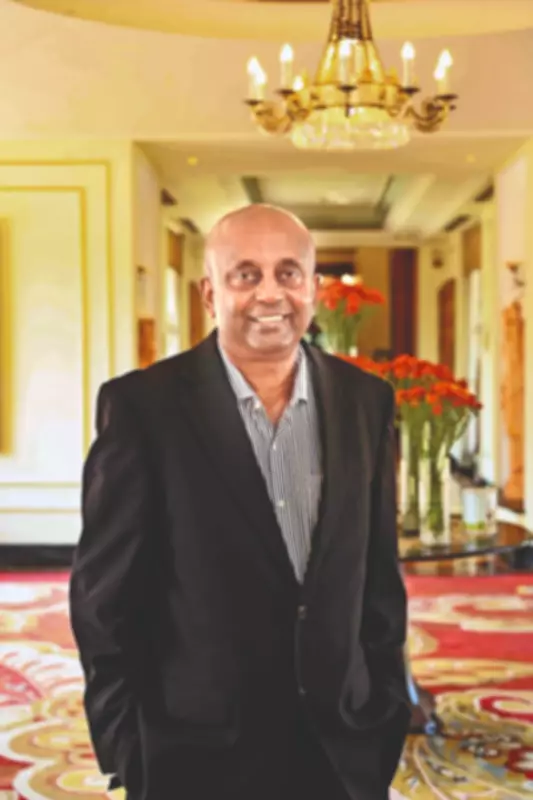
Vinod Daniel on Preventive Conservation and Museum Management
Vinod Daniel, a chemical engineer from IIT Delhi who turned to preventive conservation and management of museums while in the United States, is an elected board member of the International Council of Museums. He has worked in museums across 50 countries and serves on the advisory board of major Indian museums, including the Government Museum in Chennai. In an interview, Daniel shared his insights on preventive conservation, repatriation of artifacts, and the evolving role of museums.
What is Preventive Conservation in Museums?
Daniel explains that any object exposed to light, whether a textile or a painting, will eventually fade. Therefore, museums strive to limit light exposure as much as possible. Organic materials are also vulnerable to pests, necessitating measures to prevent insect attacks. In the event of disasters such as cyclones or flooding, museums need systems in place to rescue and protect objects while minimizing damage. One of Daniel's early projects involved preventing Egyptian mummies from degrading rapidly by reducing oxygen levels in their display cases. This technology was later used in India to preserve mummies at the State Museum in Hyderabad.
Which Objects are Hardest to Preserve?
Traditional art used mediums and paints intended for long-term preservation. However, modern art poses greater challenges due to its materials and techniques. Additionally, the humid climate in Chennai is particularly difficult for preserving objects, making it one of the most challenging environments for conservation.

Repatriation of Collections to India
Daniel has been involved in repatriation efforts since the 1990s. Many Western museums are now conducting due diligence on their Indian collections, particularly regarding provenance. When a gallery or antique dealer has provided inaccurate information about an object's history, museums often return items of doubtful provenance to India after their own investigations.
Museums in Tamil Nadu
Indian museums house some of the world's finest objects. The Chennai and Tanjore Museums boast the best collection of Chola bronzes globally, which could form a spectacular exhibit. They also hold renowned Ravi Varma paintings. Daniel notes a surge of energy in Indian museums but emphasizes the need for audience engagement and long-term preservation plans spanning a decade, not just six months.
Audience Engagement and Storytelling
Western museums excel at making collections accessible and interactive, with cafes and family-friendly environments akin to amusement parks. They also design exhibitions attractive to younger audiences. Daniel stresses that museums must accommodate diverse voices, including marginalized communities. In Pacific countries, museums serve as custodians of intangible heritage, where communities celebrate, share stories, and feel a sense of ownership. In India, while technology is embraced, the story behind objects must take precedence, with technology serving as an enabler.
Smaller Museums and Funding Models
In the West, aside from major institutions, most museums are smaller, run by governments, private groups, or individuals. For example, the sugar industry might operate a sugar museum. Even large public museums are rarely fully government-funded; they raise revenue through ticket sales, cafes, and venue hires. In India, government controls can hinder such models, but private museums are growing. Western museums also maintain strong online presences, encouraging people to bring collections, discuss with enthusiasts, and attend lectures and events.
Museum in a Box
The concept of a 'museum in a box' involves packing replicas, stories, and games into a kit for schools, enabling quizzes, activities, and lessons that bring the museum experience directly to children.
Daniel concludes that museums are neutral, unbiased, and trusted places with the power to unite people in a divided world.