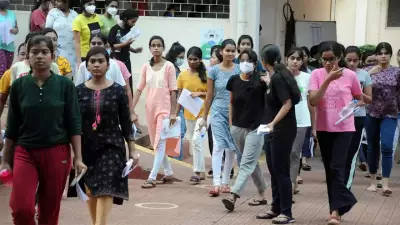
Patna: Patliputra University (PPU) on Sunday released the first merit list for admission to its four-year undergraduate programmes under the choice-based credit system (CBCS) for the 2026-30 academic session. The merit list for arts, science and commerce courses has been uploaded on the Samarth portal, allowing candidates to check their allotment status online.
Seat Allotment Details
PPU dean of students’ welfare Rajeev Ranjan said 68,499 of the 87,517 applicants have been allotted seats in the first round, accounting for 78.26% of eligible candidates. Students have been asked to complete the admission process by June 22.
The university will publish the second merit list on June 24. This year, students have also been provided a “slide-up” option to seek admission to a preferred college if seats become available.

Expansion of Admission Network
Ranjan said the university has expanded its admission network by including 16 newly established degree colleges at the block level in Patna and Nalanda districts. PPU plans to fill around 1,48,379 seats across 26 constituent colleges, 50 affiliated colleges and the 16 new institutions.
While popular subjects continued to attract large numbers of applicants, several courses witnessed little or no demand. According to university sources, nine subjects, including Bhojpuri, Buddhist Studies and Persian, received no applications.
Instructions for Candidates
Ranjan advised candidates selected in the first merit list to complete admission formalities within the stipulated deadline. He said the entire admission process is being conducted through the Samarth portal to ensure transparency and convenience.
Stay updated with the latest Patna news. Download the TOI App.
About the Author
Kumod Verma, a senior journalist with The Times of India, Patna edition, has been writing since 1986, bringing over three decades of dedicated reporting experience. He has extensively covered the Indian Railways, higher education, defence, particularly the Indian Army, and rail-related crimes. Beyond these core beats, he has also reported on key issues related to social developments and reforms. Whether unpacking a railway budget, examining university reforms or profiling soldiers on the frontline, remains his main focus of news reporting.