Beyond Awareness: How Active Cultural Participation Shapes Empathetic Global Citizens
A child who has experienced the vibrant splash of Holi colors, shared the sweetness of Eid delicacies, or carefully folded origami during a Japanese cultural lesson doesn't merely possess knowledge about the world—they feel a genuine connection to it. This crucial distinction between passive knowing and active participation lies at the very heart of how children evolve into truly empathetic, globally conscious individuals. There exists a profound gap between reading about Diwali as the 'festival of lights' in a textbook and actually feeling the warmth and joy of lighting diyas alongside family and friends. Similarly, studying Japanese tea ceremonies from a distance differs entirely from the mindful experience of whisking matcha while learning about its cultural significance.
The Critical Importance of Cultural Competence
For Millennial and Gen Z parents navigating our beautifully diverse global landscape, the educational path forward extends far beyond simple awareness. It demands active, creative, and meaningful participation. The stakes in this endeavor have never been more significant. According to comprehensive research from the American Psychological Association, children who develop cross-cultural competence at an early age demonstrate markedly stronger emotional intelligence, superior adaptability, and enhanced problem-solving skills. These are precisely the traits essential for thriving in our deeply interconnected modern world.
However, the value of cultural appreciation transcends mere career preparation. It actively shapes a child's identity and worldview in the present moment. When children engage authentically with diverse traditions, they cultivate empathy by internalizing a fundamental truth: different does not equate to wrong, merely different. Harvard University's influential 'Making Caring Common Project' discovered that students exposed to rich multicultural experiences exhibit approximately 30% higher levels of perspective-taking abilities. For contemporary parents who prioritize inclusivity, this represents more than educational enrichment—it constitutes essential character development.

Cultural appreciation equips children with the tools to navigate social complexity, challenge ingrained stereotypes, and build bridges within an increasingly polarized society. It provides a powerful answer to one of the most fundamental questions of our era: how do we raise humans who don't just tolerate differences, but learn to genuinely celebrate and value them?
Creative Participation Versus Passive Learning
A transformative difference exists between reading about Holi or Diwali and actually feeling the exhilarating burst of colored powder, or between studying Eid traditions and sharing a celebratory meal with a friend's family. Creative participation revolutionizes cultural learning, transforming it from an academic subject into a lived, visceral experience. This approach engages children through multiple sensory pathways—sight, sound, taste, and touch—creating memories and understanding that textbooks alone can never impart.
Research from UNESCO corroborates that experiential, arts-based cultural learning significantly deepens children's sense of belonging and enhances their global awareness. At forward-thinking institutions like Orchids The International School, this philosophy is embedded directly into daily learning. Through immersive festivals, expressive art projects, diverse music, and rich storytelling, diverse cultural traditions are brought vibrantly to life. When children actively do rather than passively observe, culture ceases to be something abstract and 'out there.' Instead, it becomes something they personally connect with, willingly carry forward, and deeply respect.
Bringing Culture to Life: Practical Strategies for Engagement
At School: The Institutional Role
Educational institutions occupy a frontline position in making cultural participation meaningful and sustained. Parents should seek out programs that extend far beyond a single annual 'cultural day.' Consistent, curriculum-integrated activities create the most significant and lasting impact. Several highly effective approaches include:

- Celebrating diverse global festivals through hands-on art projects, musical exploration, and collaborative cooking activities.
- Inviting parents, grandparents, and community members into the classroom to share personal cultural stories, traditions, and lived experiences.
- Incorporating world literature, international folktales, and music from various regions into daily lessons and reading routines.
At Home: The Parental Role
Parents serve as equally powerful cultural educators within the home environment. Small, consistent actions can yield profound long-term results:
- Cook a new international cuisine together as a family, exploring the history and stories behind each dish.
- Watch age-appropriate international films or documentaries that showcase different ways of life.
- Acknowledge and learn about festivals beyond your own family's traditions, demonstrating respect and curiosity.
- Use travel—whether virtual through online resources or physical—to spark curiosity about how people live in different parts of the world.
In the Community: Expanding Horizons
Cultural appreciation thrives most powerfully beyond the four walls of home and school. Attending local cultural festivals and events, visiting museums with comprehensive world history exhibits, or joining community groups that celebrate diverse traditions provides invaluable real-world context. These tangible touchpoints help ground abstract lessons in concrete, memorable experiences.
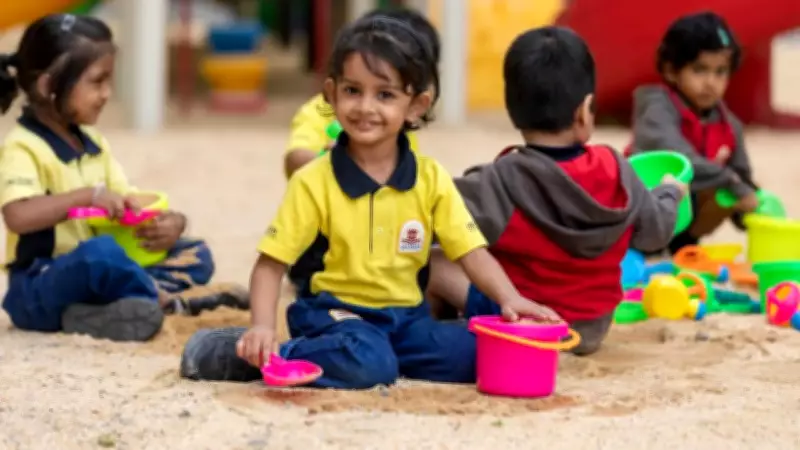
It's important to tailor approaches to developmental stages. Younger children typically connect best through sensory play, simple stories, and music. Older children and teenagers benefit more from deeper discussions, collaborative international projects, and even structured pen-pal programs with peers from other countries.
The World as Their Classroom: Preparing for the Future
The children who grow up actively participating in diverse cultural experiences don't just become more informed—they become more fundamentally human. They enter adulthood equipped with the empathy to understand perspectives radically different from their own, the confidence to navigate unfamiliar social and professional environments, and the wisdom to perceive difference as a source of richness rather than division. These are not merely 'soft skills'; they are essential survival skills for the complex 21st century.
As a parent, the choices you make today regarding how your child engages with the world's diversity will directly shape the adult they become tomorrow. Progressive educational institutions are already leading this vital charge by embedding cultural curiosity and genuine global awareness into the very core of children's education, not treating it as a peripheral afterthought. The world your child will inherit promises to be vibrantly and beautifully diverse. The crucial question remains: are we doing enough to prepare them to not just live in it, but to actively embrace, contribute to, and thrive within it?