Tragic Suicide of Engineering Student at Coimbatore Mall
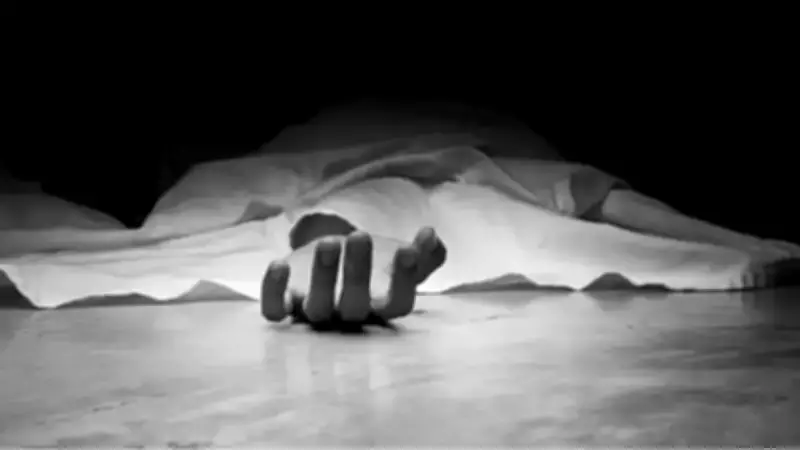
A devastating incident unfolded in Coimbatore on Wednesday night when a 21-year-old engineering student died by suicide by jumping off the terrace of a mall. The deceased, identified as R Steven Clifford George from Vidyaranyapura in Bengaluru, was a third-year B.Tech computer science student at a private university in Coimbatore district.
Sequence of Events Leading to the Tragedy
According to police reports, George had returned from Bengaluru on Wednesday specifically to attend his university examinations. However, instead of proceeding to the campus, he visited a mall located at Peelamedu. There, he watched a movie at a theatre situated on the fourth floor. After the movie concluded at 9:50 PM, he exited the theatre, ascended to the mall's terrace, and jumped from the building.
The fall resulted in severe injuries, and George was pronounced dead at the scene. Upon receiving the alert, the Peelamedu police promptly arrived, recovered the body, and initiated an investigation into the circumstances surrounding his death.

Underlying Factors and Police Investigation
During their inquiry, police officers revealed concerning details about George's academic and mental health situation. He had not been attending university regularly and had accumulated 14 arrears in his coursework. Furthermore, the student had been suffering from severe depression and was under medication for the condition.
Authorities informed George's parents about the tragic incident, and they traveled to Coimbatore on Thursday. After a postmortem examination was conducted, the body was handed over to his family for final rites.
Official Response and Case Registration
The Peelamedu police have registered a case in connection with the suicide. This incident highlights the critical issues of mental health challenges and academic pressure faced by students, particularly in demanding fields like engineering. It serves as a somber reminder of the importance of support systems and mental health awareness in educational institutions.