In the current educational landscape, the emphasis on examinations has often overshadowed the broader goal of making students truly competent. While exams serve as a tool for assessment, they are not sufficient to equip students with the skills necessary for the complexities of the modern world. A growing body of educators and policymakers argue that competence requires a holistic approach that nurtures creativity, critical thinking, collaboration, and emotional intelligence.
The Limitations of Exam-Centric Education
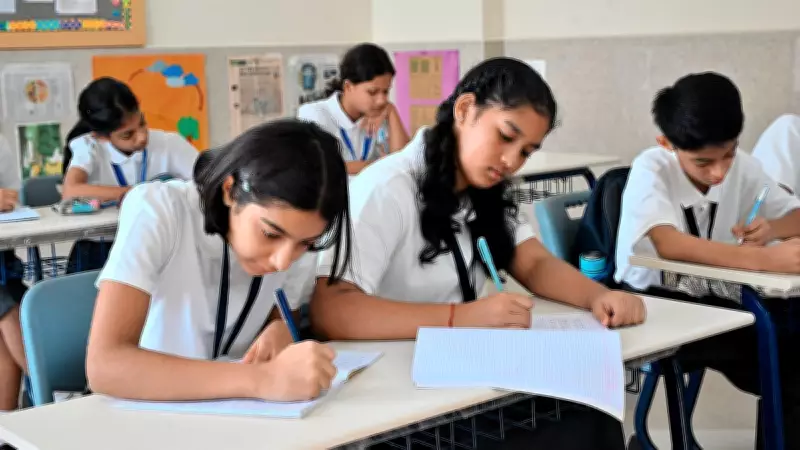
Traditional examinations primarily test memory and the ability to recall information under time pressure. This approach often encourages rote learning rather than deep understanding. Students may excel in exams but struggle to apply knowledge in real-world scenarios. Moreover, the high-stakes nature of exams can lead to stress, anxiety, and a narrow focus on grades rather than genuine learning.
Skills Beyond Academics
Competence in the 21st century demands a diverse skill set. Employers and higher education institutions increasingly value:

- Critical Thinking: The ability to analyze information, evaluate evidence, and make reasoned decisions.
- Creativity: Generating innovative ideas and solutions to complex problems.
- Collaboration: Working effectively in teams, respecting diverse perspectives.
- Communication: Articulating ideas clearly in written and verbal forms.
- Emotional Intelligence: Understanding and managing one's own emotions and empathizing with others.
These skills are rarely assessed in traditional exams but are crucial for personal and professional success.
Rethinking Assessment Methods
To foster competence, educational systems must diversify assessment methods. Project-based learning, portfolios, presentations, and peer reviews offer more comprehensive evaluations of student abilities. These approaches encourage students to engage deeply with content, apply knowledge, and reflect on their learning processes.
The Role of Teachers and Curriculum
Teachers play a pivotal role in shifting the focus from exam preparation to skill development. Professional development programs can help educators design learning experiences that promote critical thinking and creativity. Curricula should integrate interdisciplinary projects and real-world problems, allowing students to see the relevance of their studies.
Furthermore, reducing the weight of exams in final grades can alleviate pressure and allow for more formative assessments that guide learning throughout the year.
Case Studies and Global Perspectives
Countries like Finland have moved away from standardized testing, emphasizing holistic education and teacher autonomy. Their students consistently rank high in global assessments of problem-solving and innovation. Similarly, Singapore's curriculum includes a strong focus on character development and critical thinking alongside academic content.
In India, the National Education Policy 2020 advocates for a shift towards experiential learning and competency-based education. It recommends reducing the emphasis on board exams and encouraging schools to adopt more flexible assessment methods.
Preparing Students for the Future
The ultimate goal of education is to prepare students for life, not just for exams. A competent individual is one who can adapt to change, think independently, and contribute meaningfully to society. By broadening our definition of success beyond test scores, we can cultivate a generation of learners who are resilient, innovative, and equipped to tackle the challenges of the future.
In conclusion, while exams have their place, they are not the sole measure of competence. A holistic educational approach that values skills, creativity, and critical thinking is essential for nurturing truly competent students. It is time for educators, parents, and policymakers to embrace this broader vision and work collaboratively to transform our educational systems.