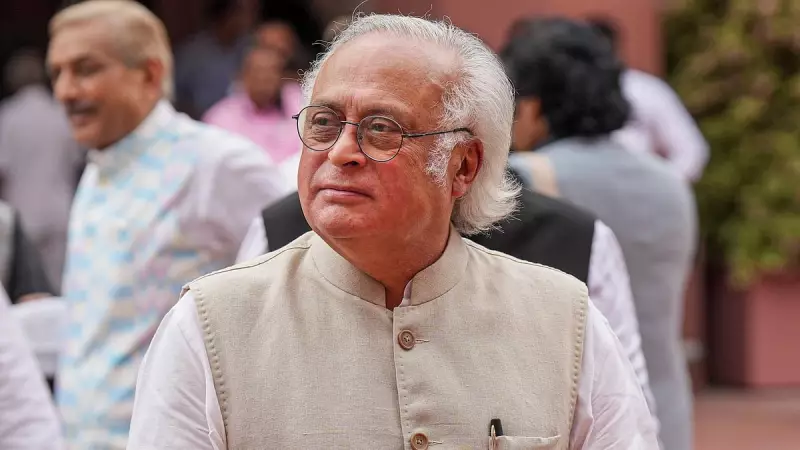
Congress leader Jairam Ramesh has made a significant demand regarding the implementation of Article 15(5) in India's higher education system. He insists that the higher education regulator must take direct responsibility for overseeing this constitutional provision.
The Historical Context of Article 15(5)
Jairam Ramesh highlighted the historical significance of Article 15(5) during his recent statement. He pointed out that this provision was specifically inserted into the Constitution by the Manmohan Singh government. This insertion occurred through the landmark 93rd Amendment to the Indian Constitution.
Twenty Years Since Implementation
The Congress leader emphasized that today marks exactly twenty years since the 93rd Amendment came into full effect. This anniversary makes the current discussion about implementation particularly timely and relevant for India's educational landscape.

The Current Demand for Regulatory Oversight
Ramesh argues that proper implementation requires structured oversight from educational authorities. He believes the higher education regulator possesses the necessary framework and authority to ensure Article 15(5) functions as intended by its creators.
Why This Matters Now
Two decades after its introduction, Article 15(5) remains a crucial element of India's reservation policy in educational institutions. The Congress party's call for regulatory oversight suggests they see room for improvement in how this constitutional provision operates in practice.
Political observers note this demand comes at a significant moment in India's educational development. The twentieth anniversary provides an opportunity to assess how effectively the provision has been implemented across the country's higher education institutions.
Jairam Ramesh's statement reflects ongoing political discussions about reservation policies in India. His specific focus on regulatory oversight indicates a shift toward emphasizing implementation mechanisms rather than just policy creation.