Governor Thaawarchand Gehlot Advocates for Enhanced Higher Education Funding in Karnataka Budget
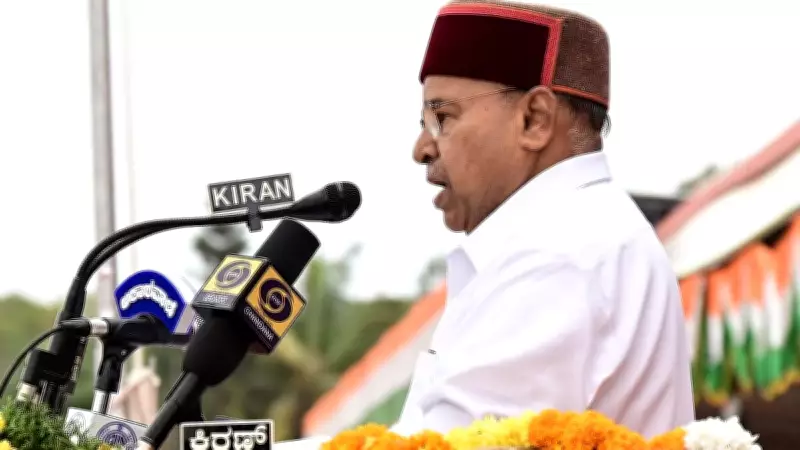
In a significant development for Karnataka's educational landscape, Governor Thaawarchand Gehlot has publicly urged for increased budgetary allocations to support higher education institutions across the state. The governor's remarks come as the state government prepares its annual budget, with education expected to be a key focus area.
Governor's Confidence in Budget Priorities
Governor Gehlot expressed satisfaction with Chief Minister's active participation in recent educational conferences, indicating strong governmental commitment to academic advancement. "I am confident that the upcoming budget will prioritize higher education," the governor stated, highlighting the critical role of adequate funding in maintaining educational excellence.
Importance of Higher Education Investment
The governor's advocacy underscores several key considerations for Karnataka's educational future:

- Infrastructure Development: Enhanced funding would enable modernization of campus facilities and learning resources
- Faculty Enhancement: Support for academic staff development and retention programs
- Research Initiatives: Increased investment in innovative research projects and laboratories
- Student Support: Expanded scholarship programs and financial assistance for deserving students
Budgetary Context and Expectations
As Karnataka prepares its fiscal plan for the coming year, education stakeholders are closely monitoring potential allocations. The governor's intervention signals:
- Recognition of higher education as a strategic priority for state development
- Alignment between gubernatorial and governmental educational visions
- Potential for significant policy shifts in educational funding mechanisms
- Opportunities for public-private partnerships in academic infrastructure
The timing of Governor Gehlot's statement, delivered on February 22, 2026, positions higher education funding as a critical pre-budget discussion point. Educational experts anticipate that this advocacy could influence final budgetary decisions, potentially leading to substantial increases in allocations for universities, colleges, and research institutions across Karnataka.
This development represents a proactive approach to addressing the evolving needs of Karnataka's higher education sector, with implications for student accessibility, academic quality, and institutional sustainability in the years ahead.