An Indian student studying in the United States posted a video that quickly went viral online. The clip has ignited a widespread conversation about the noticeable differences in higher education infrastructure between India and overseas universities.
The Viral Classroom Experience
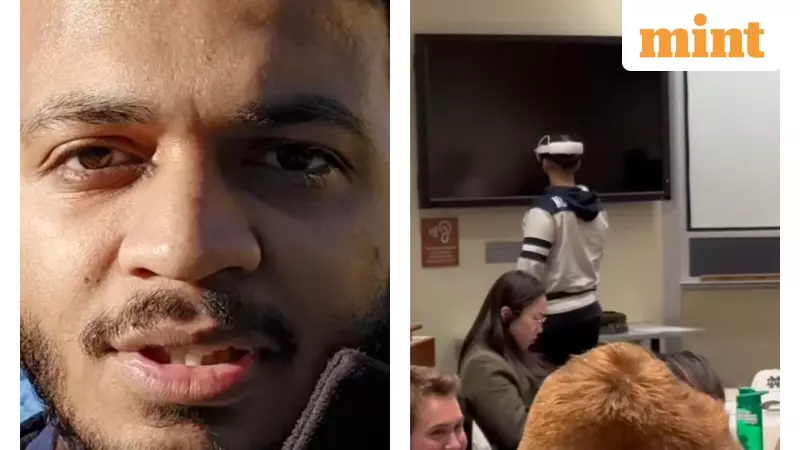
Anushk Sharma, the student behind the video, shared his surprising classroom moment on Instagram. He described how his professor entered the room and announced that the day's lesson would utilize virtual reality technology. The professor then proceeded to hand out a VR headset to every single student present in the class.
High-Tech Equipment in Action
Sharma identified the devices as Meta's Quest 3 headsets. He revealed that the professor had purchased these headsets specifically for use in the classroom. "Today we will study with this," Sharma recalls the professor stating just before distributing the equipment to the students.

Stark Contrast with Indian Colleges
In his video, Sharma draws a direct comparison with what he observes as common practice in many Indian educational institutions. He points out that students in India often have to share a single piece of equipment among multiple people. He goes further to mention that even software engineering students sometimes work on systems running pirated or unofficial operating software.
This comparison, according to Sharma, highlights significant differences not only in available resources but also in how different learning environments prioritize technological advancement and student access.
Unexpected Access and Approval
What surprised Sharma even more was the straightforward access to the equipment. He asked his professor if he could borrow the VR headset outside of regular class hours. To his astonishment, the professor approved this request without any hesitation whatsoever.
Sharma described this level of access as something nearly unimaginable in many educational institutions back home in India. The ease of approval left a strong impression on him about different institutional approaches to resource sharing.
Mixed Reactions from Viewers
The video rapidly gained traction across social media platforms, attracting a wide range of reactions from viewers. Many users expressed genuine admiration for the advanced facilities and innovative teaching methods shown in the clip.
However, other viewers were quick to provide additional context and perspective. Several commenters pointed out that tuition fees at American universities remain significantly higher than those charged by Indian institutions. Others highlighted broader issues within the American higher education system itself.
Viewer Comments and Criticism
One user wrote directly in response to the video, "bruh hope you know the difference in the amount of fees you pay here vs back in india." This comment reflected a common theme among critics who emphasized the financial aspect of educational quality.
Another viewer commented with apparent sarcasm, writing simply, "Sarcasm at its peak!!" This suggested some skepticism about the video's portrayal of educational realities.
A third user brought up different concerns, stating, "There are research funding cuts, and people are fired from jobs in universities. Tell the complete story." This comment pointed to ongoing challenges within American higher education that the video did not address.
Student's Response to Criticism
Sharma responded to the various criticisms appearing in the comment sections. He maintained that he was simply sharing a personal classroom experience rather than attempting to make a comprehensive comparison between entire education systems. His intention, he clarified, was to document what surprised him rather than to present an exhaustive analysis.
Reigniting Familiar Debates
Despite the differing opinions and perspectives, the viral clip clearly struck a chord with numerous viewers. It has successfully reignited a familiar debate about access to modern educational tools, quality of academic infrastructure, and what meaningful investment in education should actually look like in today's rapidly evolving academic landscape.

The conversation continues to develop as more people watch and respond to Sharma's video experience. The discussion now encompasses not just technological access but broader questions about educational priorities, funding models, and international comparisons in higher learning environments.