

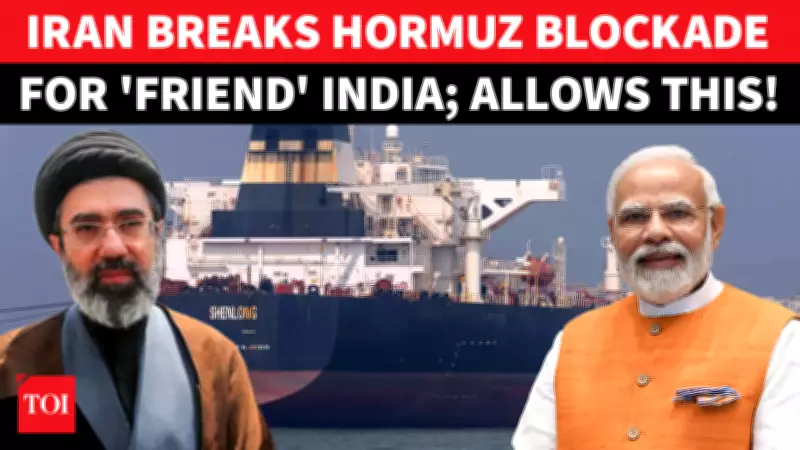
Iran Grants India Special Passage For LPG Tankers Through Hormuz Strait
In a significant diplomatic development amid rising Middle East tensions, Iran has made a rare exception for its "friend" India by allowing two Indian-flagged liquefied petroleum gas (LPG) carriers to safely sail through the strategically vital Strait of Hormuz. This critical chokepoint handles approximately one-third of the world's seaborne oil shipments, making this decision particularly noteworthy as Iran continues its ongoing conflicts with the United States and Israel.
Strategic Energy Lifeline For India
The passage of these two LPG tankers brings substantial relief to India, which has been grappling with cooking gas cylinder shortages due to the escalating West Asia conflict. According to Indian officials, this move demonstrates the strength of bilateral relations between New Delhi and Tehran during a period of regional instability. The safe transit through Hormuz ensures continued energy supplies to Indian households and industries that rely heavily on LPG imports.
Broader Regional Shipping Context
This development occurs against a backdrop of heightened concerns over regional shipping security and global oil supplies. The Strait of Hormuz has been a focal point of geopolitical tensions, with Iran previously threatening to block the passage in response to international pressures. Meanwhile, Indian officials have confirmed that a crude tanker carrying Saudi Arabian oil is scheduled to arrive in India on Saturday after successfully navigating the Strait around March 1, indicating continued though cautious maritime activity in the region.

- Enhanced India-Iran diplomatic relations during regional crises
- Critical relief for India's domestic LPG supply chain
- Continued though risky maritime commerce through strategic chokepoints
- Potential precedent for special bilateral arrangements amid conflicts
The decision to permit Indian vessels through what has effectively become a blockade zone underscores Iran's selective approach to maritime traffic during its confrontations with Western powers. This move not only addresses India's immediate energy needs but also reinforces the strategic partnership between the two nations, which has remained resilient despite complex regional dynamics and international sanctions regimes affecting Iran.






