ISRO Rocket Anomaly Dashes Hopes for Odisha University's Satellite Mission
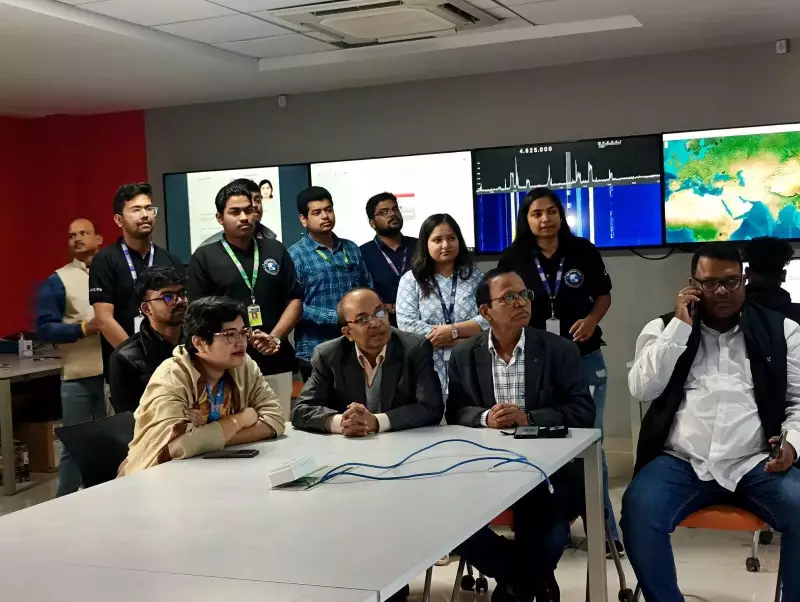
Students and faculty at CV Raman Global University in Bhubaneswar experienced profound disappointment on Monday. Their eagerly anticipated communication satellite, CGUSAT-1, failed to reach orbit. The setback occurred when the Indian Space Research Organisation's PSLV-C62 mission encountered an unexpected anomaly during the final phase of its third stage.
University's Ambitious Satellite Project
CGUSAT-1 represented a significant collaborative effort. The university developed the satellite in partnership with Dhruva Space, a Hyderabad-based space engineering solutions provider. The launch formed part of Dhruva Space's 'Polar Access-1' programme.
University officials explained the satellite's intended purpose. Had it reached orbit successfully, CGUSAT-1 could have provided crucial communication support during network disruptions. This capability would have been particularly valuable in emergency situations when conventional networks fail.

Student and Faculty Reactions
The project team invested substantial effort over the past year. Students and teachers worked diligently on CGUSAT-1, anticipating a successful launch celebration. The rocket anomaly prevented their planned festivities.
"We are very sad," expressed Rahul Kumar Gupta, a computer science engineering student. He participated in the project through the university's 'Space Club'. His words captured the collective sentiment of the team.
Soumya Mishra, assistant professor of electronics and communication engineering, serves as custodian for both the 'Space Club' and the university's ground station. She acknowledged the team's sadness following the third-stage failure.
"But we will not give up," Mishra declared emphatically. "We will prepare for the next launch. During construction, we created two spare satellites alongside the one that launched. We will test these spare units thoroughly and ready ourselves for another attempt."
Historical Context and Future Plans
Sunil Sarangi, former director of NIT Rourkela and advisor to the CGUSAT-1 project, provided historical perspective. He noted that PSLV-C61 experienced a similar setback in May of last year.
"ISRO conducted a thorough review of that previous mission and implemented corrections," Sarangi explained. "We held high hopes for this mission's success. Unfortunately, it did not unfold according to our expectations."
Sarangi confirmed the team's excitement about seeing their satellite reach orbit. "We will try again next time," he affirmed. "We will make appropriate preparations for our future attempt."
The university community now focuses on regrouping. They plan to analyze what happened and prepare their spare satellites for another launch opportunity. Despite Monday's disappointment, their determination remains strong.