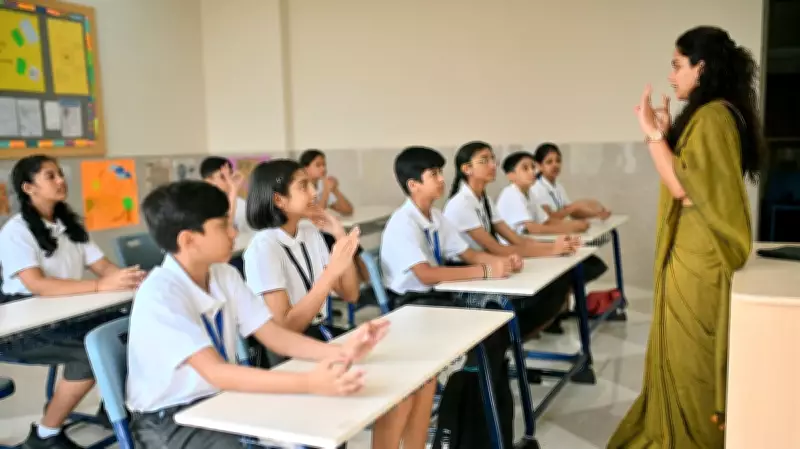
Karnataka's Student Helpline Policy Demands More Than Just Phone Lines
The recent policy pitch by Karnataka to establish student helplines represents a crucial step toward addressing the growing mental health crisis among young learners. However, experts argue that merely setting up these support channels is insufficient without a comprehensive backing of resources and a fundamental rethink on prevention approaches.
Resource Allocation: The Critical Missing Piece
While the initiative aims to provide immediate assistance to students in distress, the success of such helplines hinges on adequate funding and staffing. Currently, there are concerns about whether the state government will allocate sufficient financial resources to train counselors, maintain 24/7 operations, and ensure accessibility across urban and rural areas. Without this support, the helplines risk becoming symbolic gestures rather than effective lifelines.
Key challenges include:

- Insufficient budget for professional mental health training
- Limited infrastructure in remote regions
- High counselor-to-student ratios that could overwhelm the system
Prevention Over Reaction: A Necessary Paradigm Shift
Beyond reactive measures, there is an urgent need to integrate prevention strategies into the education framework. This involves creating supportive school environments, implementing early intervention programs, and promoting mental health literacy among students, teachers, and parents. By focusing on prevention, Karnataka can reduce the reliance on crisis helplines and foster long-term well-being.
Effective prevention approaches should encompass:
- Regular mental health workshops in schools
- Peer support networks to encourage open dialogue
- Collaboration with healthcare providers for timely referrals
Moving Forward: A Holistic Strategy
To truly save students, Karnataka must combine its helpline policy with robust resource allocation and innovative prevention methods. This holistic approach will not only address immediate crises but also build resilience among the student population, ensuring a healthier educational ecosystem for future generations.