KSDSU Senate Approves Deficit Budget of Rs 456.63 Crore for 2026-27
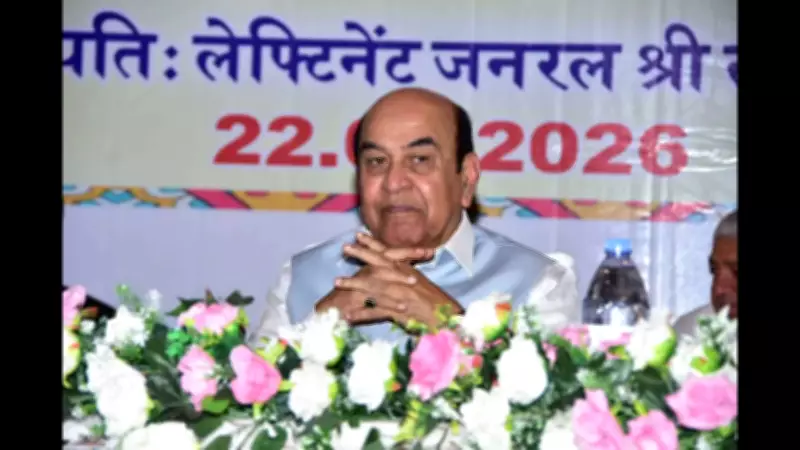
In a significant development, the senate of Kameshwar Singh Darbhanga Sanskrit University (KSDSU) has approved a deficit budget of Rs 456.63 crore for the financial year 2026–27. The meeting, held on Wednesday, was presided over by governor-cum-chancellor Lt General (Retd) Syed Ata Hasnain, who emphasized the need for administrative reforms and infrastructure upgrades.
Budget Details and Financial Challenges
Presenting the budget proposal, university financial advisor Indra Kumar outlined the financial outlook. The total projected expenditure for the next fiscal stands at Rs 459.33 crore, while the estimated income is a mere Rs 2.69 crore, resulting in a substantial deficit. This marks an increase from the previous financial year (2025–26), where the deficit was Rs 448.66 crore, indicating a rise of approximately Rs 8 crore.
A significant portion of the university's expenditure will be allocated towards salaries. Specifically, Rs 19.67 crore has been earmarked for the salaries of teaching staff across postgraduate departments and various constituent colleges under the university. This highlights the ongoing financial pressures faced by the institution.

Chancellor's Assurance and Focus on Reforms
Addressing the senate, Chancellor Syed Ata Hasnain assured members that long-standing issues in higher education would be addressed. He acknowledged the concerns raised during the meeting regarding university administration and functioning, thanking members for their inputs. Hasnain committed to personally collaborating with the vice-chancellor and senior officials to develop practical solutions.
Emphasizing the urgency of administrative reforms, the chancellor discussed the importance of automation in universities, particularly highlighting the relevance of the Samarth portal. He stressed that students must be provided with all necessary facilities for effective classroom learning, which requires the creation of robust and sustainable infrastructure.
Action Plan and Conference Inauguration
Hasnain directed the vice-chancellor to forward all problems raised during the meeting to the chancellor's office within a week. He clarified that issues resolvable at the local level should be addressed immediately, while others would be escalated for higher-level discussions.
Earlier in the day, the chancellor inaugurated a five-day national conference titled "Business Research in Contemporary Times", organized by the department of commerce and business administration of Lalit Narayan Mithila University (LNMU). Speaking as the chief guest, he described the theme as broad and relevant, underscoring the need for leadership, continuity, and mutual understanding to advance business research.
Hasnain noted that Bihar is rich in intellectual ability and predicted that the next 5–10 years will be crucial for the state's development. He also stressed social responsibility, calling for India to focus on delivering social messages, expressing confidence in the country's ability to become tuberculosis-free, similar to overcoming challenges like Covid-19 and polio. Additionally, he appealed for reducing plastic use to promote environmental sustainability.