Larry Summers Exits Harvard University After Epstein Email Controversy
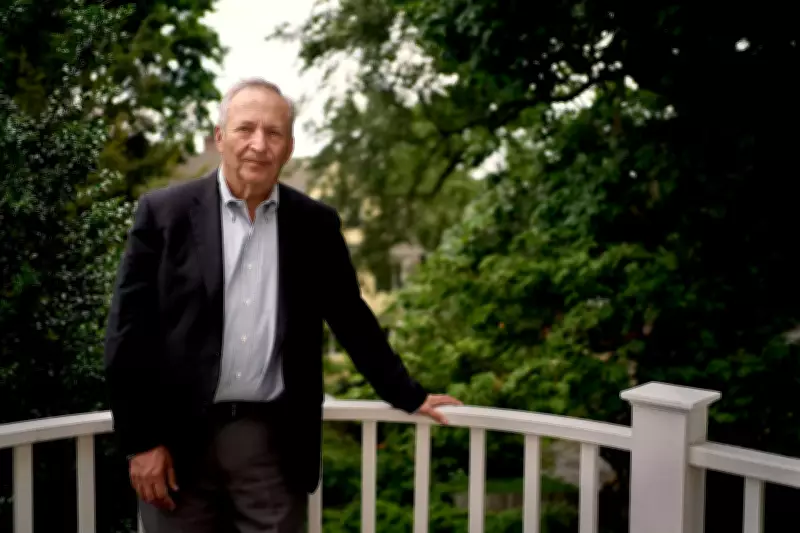
The departure of Larry Summers from his remaining academic positions at Harvard University formally concludes a professional chapter that began five decades ago. This move represents the culmination of a gradual retreat that has been developing over several months, marking a significant shift in his long-standing relationship with the prestigious institution.
Complete Academic Resignation
Summers will officially resign from all his academic and faculty appointments at the conclusion of the current academic year. This decision includes relinquishing his distinguished University Professorship, which represents Harvard's highest faculty honor. He will remain on administrative leave until that formal departure date. A university spokesperson has confirmed this development to The Harvard Crimson, the student newspaper.
Additionally, Summers has stepped down from his role as co-director of the Mossavar Rahmani Center for Business and Government at the Harvard Kennedy School, a position he has maintained since 2011. According to university sources, he will no longer teach courses or accept new graduate student advisees moving forward.

A Storied Career Comes to an End
For decades, Larry Summers occupied multiple influential positions across academia and government. His distinguished career encompassed academic research, service as United States Treasury Secretary under President Bill Clinton, and leadership as President of Harvard University from 2001 to 2006. Even after concluding his presidential tenure, Summers remained one of Harvard's most prominent and recognizable faculty members.
In an official statement provided to The Harvard Crimson, Summers characterized the decision to leave Harvard as particularly difficult. He expressed profound gratitude toward the thousands of students and colleagues he has collaborated with since first arriving at Harvard as a graduate student fifty years ago. As President Emeritus and a retired professor without formal responsibilities, Summers noted he anticipates focusing on research, economic analysis, and public commentary regarding global economic issues.
The Epstein Email Disclosures That Changed Everything
This resignation follows the November disclosure of emails revealing a long-standing personal relationship between Summers and the convicted sex offender Jeffrey Epstein. The correspondence between Summers and Epstein spanned at least seven years and covered diverse topics including women, politics, and Harvard-related projects. Communication continued as recently as July 2019, occurring just one day before Epstein's final arrest on federal charges.
Initially, after the first batch of emails became public, Summers announced his intention to continue teaching at Harvard. However, as additional correspondence underwent review, he reversed course, declaring he would step back from public commitments and leave his teaching position. In subsequent days, Summers severed ties with multiple organizations including The New York Times, Bloomberg L.P., and the artificial intelligence research company OpenAI.
Shortly thereafter, the American Economic Association imposed a lifetime ban on Summers' participation. Harvard University simultaneously launched a formal review examining Summers' connections to Epstein as part of a broader institutional re-examination of Harvard's historical relationships with the financier. This comprehensive review also encompasses other university affiliates and donors identified in the released documents.
Additional Revelations Emerge
In late December, a second collection of records released by the United States Department of Justice indicated that Summers had been designated as a successor executor in a 2014 draft version of Epstein's will. This designation would have positioned him to oversee Epstein's estate if primary executors became unable to fulfill their duties. A spokesperson for Summers informed The Harvard Crimson that he had no prior knowledge of being included in this early version of the will.

Institutional Questions Persist
The volume of contact between Summers and Epstein reportedly extended to thousands of emails and phone calls. According to investigative reporting by The Harvard Crimson, their correspondence frequently ventured beyond professional matters. In several exchanges, Summers sought Epstein's counsel regarding personal issues, including advice about a romantic relationship with a woman he described as a mentee.
While Summers' resignation from academic roles concludes his formal association with Harvard, it does not terminate the ongoing institutional review. However, it does remove him from positions of authority within the university structure. The broader institutional question facing Harvard extends beyond one former president's conduct to encompass how academic institutions evaluate proximity, disclosure practices, and accountability when reputational risks become structurally embedded.
For Larry Summers, this transition represents a movement from formal academic office toward independent public commentary. For Harvard University, it signifies another significant step in an ongoing institutional reckoning regarding relationships with controversial figures.