Maharashtra Government Demands Written Clarification from Universities Over Professor of Practice Appointments
The Maharashtra state government has decided to take action against public universities for their failure to appoint enough Professors of Practice over the past three years. Officials will now seek written clarification from these institutions regarding their non-compliance with established guidelines.
Widespread Non-Compliance Across Universities
According to government data, universities are expected to fill 10% of their sanctioned teaching positions with Professors of Practice. However, most institutions have appointed fewer than five such professors. A recent government survey revealed that only 30 Professors of Practice have been appointed across 15 responding universities.
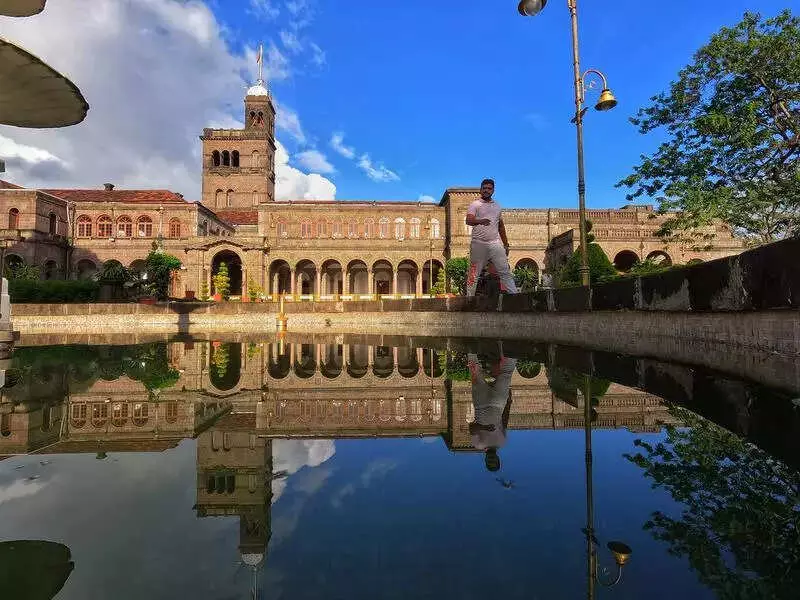
Several major universities have not hired any Professors of Practice at all. These include Savitribai Phule Pune University and Nagpur University. Mumbai University and Tilak Maharashtra University stand out as exceptions, having appointed five Professors of Practice each.

Universities Claim Process "Underway" Despite Three-Year Delay
Six universities have reported zero appointments of Professors of Practice from industry backgrounds. These institutions are Savitribai Phule Pune University, Nagpur University, Marathwada University, Gadchiroli University, Amravati University, and Solapur University.
All six universities claim the appointment process is "underway." This claim comes despite the fact that more than three years have passed since the original directive was issued. In contrast, public universities in Nanded and Jalgaon have each managed to appoint four Professors of Practice.
UGC Guidelines and National Education Policy Requirements
The University Grants Commission issued clear guidelines for engaging Professors of Practice in universities and colleges. In September 2022, the UGC sent a separate letter reinforcing these requirements. This letter emphasized that higher education institutions must integrate general education with vocational training.
This integration forms part of the holistic and multidisciplinary education approach recommended in the National Education Policy 2020. The policy specifically calls for institutions to bring in professionals with skills and expertise acquired through non-academic careers. These individuals would contribute to both teaching and research activities.
Vice-chancellors and principals received direct instructions to take necessary steps for engaging such Professors of Practice. The appointments aim to bridge the gap between industry and academia within university education systems.
Performance Concerns and Government Response
A source from the higher education department noted that many public universities have performed poorly in the National Institutional Ranking Framework. Savitribai Phule Pune University experienced a particularly sharp decline, dropping from rank 37 to 91 in the overall category in the latest edition.
Shailendra Deolankar, Director of Higher Education, confirmed the government's serious approach to this issue. "The state government has taken serious cognisance of the Professor of Practice issue," Deolankar stated. He explained that officials decided to seek written clarification from universities for not complying with UGC norms.
Deolankar addressed common complaints from universities about unfilled teaching posts. "While universities always complain about the government not filling teaching posts, this was a measure that they were expected to take up at their level," he remarked.
"From the perspective of the National Education Policy 2020, appointment of Professors of Practice was mandatory for universities to bridge the industry-academia gap in university education," Deolankar emphasized. "The idea of having these professors was to ensure that students benefit directly from the vast, real-world experience of industry professionals."
The government's move represents a significant step toward enforcing compliance with national education reforms. Universities now face pressure to explain their delays in implementing this crucial aspect of the National Education Policy.