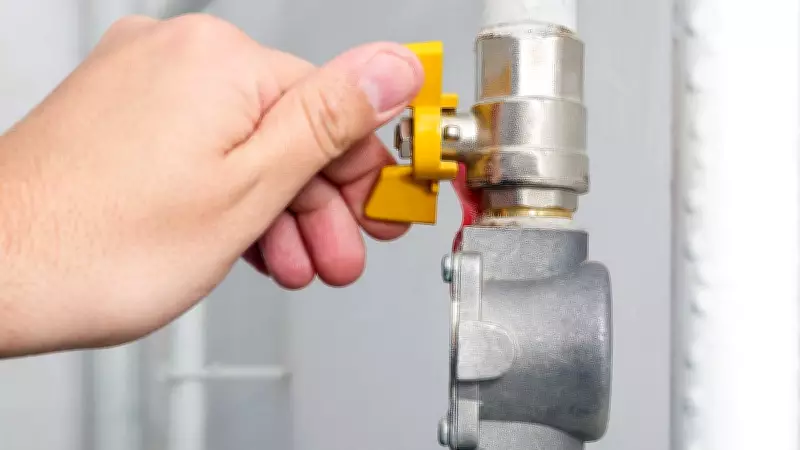
Government Takes Firm Stand Against LPG Hoarding, Advocates for Piped Gas Adoption
The Indian government has escalated its efforts to curb the illegal hoarding of liquefied petroleum gas (LPG) cylinders, issuing a clear warning of stringent action against offenders. This move aims to safeguard the equitable distribution of cooking fuel across the nation and prevent supply chain disruptions.
Strict Measures Announced to Combat Cylinder Misuse
In a decisive announcement, authorities have highlighted that hoarding LPG cylinders is a punishable offense under existing regulations. The government is mobilizing enforcement agencies to conduct raids and inspections, targeting individuals and entities stockpiling cylinders beyond permissible limits. Legal penalties, including fines and potential imprisonment, are being emphasized to deter such activities.
This crackdown comes in response to reports of artificial shortages and black-market sales, which have exacerbated challenges for genuine consumers, particularly in rural and remote areas. By addressing hoarding, the government seeks to stabilize LPG availability and ensure that subsidies reach intended beneficiaries efficiently.

Push for Transition to Piped Natural Gas (PNG) Systems
Concurrently, the government is vigorously promoting the adoption of piped natural gas (PNG) for cooking purposes as a sustainable alternative. Officials are urging households, especially in urban and semi-urban regions, to switch to PNG connections, citing benefits such as continuous supply, enhanced safety, and reduced environmental impact.
The initiative aligns with broader national goals to expand gas infrastructure and reduce dependency on traditional cylinder-based systems. By encouraging this shift, the government aims to mitigate issues related to cylinder logistics, storage, and recurrent refills, thereby streamlining the cooking fuel ecosystem.
Implications for Consumers and the Energy Sector
For consumers, this dual strategy of enforcement and promotion is expected to foster a more reliable cooking fuel framework. Households transitioning to PNG can anticipate fewer interruptions and a lower risk of hoarding-related scarcities. Moreover, the move is poised to bolster the government's clean energy agenda by advancing the use of natural gas in domestic settings.
In the broader context, these measures reflect a proactive approach to energy management, addressing both immediate supply concerns and long-term sustainability objectives. The government's stance underscores its commitment to ensuring energy security while fostering responsible consumption practices among citizens.