MBA Aspirants Face Decisive Interview Phase in February Admissions Cycle
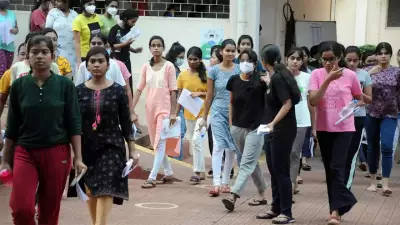
It is February, a pivotal month in India for numerous MBA aspirants as they advance into the second phase of the business school admissions process. Candidates who have been shortlisted by prestigious B-schools are now actively participating in personal interviews, alongside other critical evaluation components such as essay writing and group discussions. This period is often decisive, shaping the final admission outcomes for many applicants, with the ultimate goal of securing a spot in their dream institution.
Navigating the Personal Interview: Key Challenges and Expectations
These MBA aspirants must confront interview panels and handle a wide array of questions spanning career goals, academic background, work experience where applicable, current affairs, and general knowledge. Amid national attention on developments like the India–US trade deal and T20 World Cup controversies involving Pakistan and Bangladesh, students are diligently tracking headlines while broadening their reading across policy, business, economics, and social issues to prepare for diverse queries.
Introducing T.I.M.E.'s AImPI: An AI-Driven Interview Preparation Tool
This is where T.I.M.E.'s AImPI, an AI-driven personal interview tool, proves invaluable. Trained using over three decades of experience in assisting thousands of students to secure B-school admissions, the interactive AImPI tool simulates actual personal interviews by:

- Analyzing candidates' resumes
- Asking questions relevant to academic background, work experience, and target B-school
- Accepting voice responses from students
- Following up with deeper questions as needed
- Providing comprehensive feedback on areas for improvement
- Offering guidance on interview panel mindset and evaluation criteria
Expert Insights on B-School Interview Success
According to M Pramod Kumar, founder director of T.I.M.E. and an XLRI alumnus, B-schools primarily seek candidates with clear career objectives, self-awareness, and the ability to withstand MBA rigor. He dispels common misconceptions, noting that flawless academic records or extraordinary communication skills are not prerequisites; instead, panels look for good academic knowledge in key subjects and the ability to articulate points clearly.
Manek Daruvala, founder-director of T.I.M.E. and an IIM Ahmedabad alumnus, explains that clarity stems from awareness. Students should assess their standing in areas like self-awareness, academic knowledge, general knowledge, and work experience, then work methodically to improve. To bridge gaps, focus on core pillars:
- Conduct a thorough gap analysis in self-awareness, academics, and general knowledge
- Build on strengths and eliminate weaknesses
- Articulate career goals tied to past experiences and future aspirations
- Practice reasoning on global events rather than memorizing facts
Strategies for Effective Preparation and Performance Enhancement
P Viswanath, founder director of T.I.M.E. and an IIM Ahmedabad alumnus, emphasizes that success in the group discussion and personal interview phase involves three steps: understanding evaluation, analyzing gaps, and building strengths. Students should introspect to identify strengths and weaknesses, dissect past activities for learnings, and anticipate follow-up questions up to four or five levels deep.
For academic preparation, experts advise selecting two or three strong subjects to master thoroughly rather than covering everything, and staying updated on current trends in one's education stream. Candidates with work experience should be prepared to discuss their company, industry, competitors, and upstream-downstream processes, demonstrating a broader understanding beyond individual tasks.
To excel in current affairs, follow news regularly, develop a basic understanding of key events, and form logical opinions. Actionable points include:

- Master two or three graduation subjects thoroughly
- Research company competition and industry trends in depth for work experience
- Prepare for follow-up questions by asking why and how after each answer
- Follow daily news and form opinions on major global happenings
Achieving Success with Structured Practice and Mentorship
Achieving success in high-pressure personal interviews is not about luck; many students fall into the trap of resource hoarding from random influencers or online resources with poor returns. Real success comes from systematic, structured preparation guided by experienced mentors who have tracked CAT and B-school admissions for decades. T.I.M.E.'s AImPI tool provides this specific guidance, backed by over three decades of PI training experience and a proven track record, including sending 2,671 students to IIMs in CAT 2024 alone.
The window between CAT results and final admission offers is narrow, with intense competition. An MBA from a leading business school is widely viewed as a career accelerator, offering faster progression and greater responsibilities. Experts advise candidates to focus on preparation, clarity of thought, and understanding evaluation criteria rather than anxiety. Structured mock interviews and targeted feedback, such as through AImPI slots available for a nominal fee of Rs. 95, can help close preparation gaps and improve performance steadily.
Disclaimer: This article has been produced on behalf of T.I.M.E. (Triumphant Institute of Management Education) by Times Internet’s Spotlight team.