Odisha's Higher Education Department Advances Vice-Chancellor Selection Process
Eight months after initiating the appointment process for vice-chancellors at 13 state-run universities, the Odisha higher education department is currently engaged in verifying the credentials of shortlisted candidates, according to official statements. This crucial step follows the enactment of the Odisha University (Amendment) Act, 2024, which received gubernatorial approval on April 12 last year, setting the stage for comprehensive academic leadership reforms.
Comprehensive Recruitment Drive for University Leadership
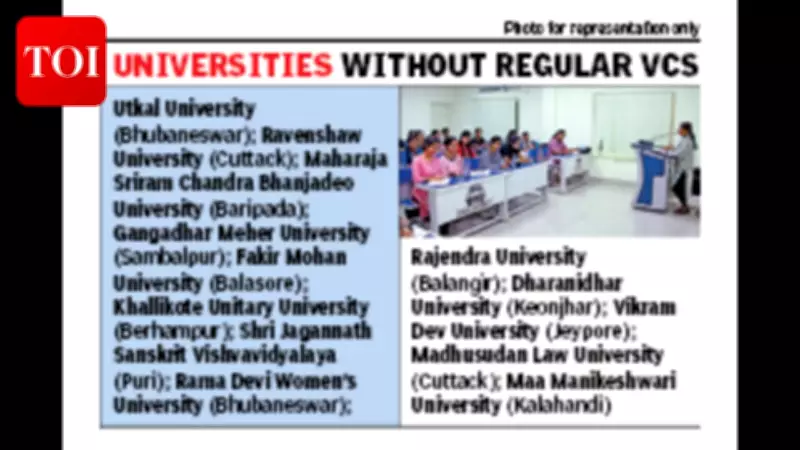
The department formally invited applications from distinguished and eligible academics for the vice-chancellor positions on June 3, targeting institutions that have been functioning without regular administrative heads. While some existing vice-chancellors continue on six-month extensions, other universities are being managed by senior-most professors serving as in-charge vice-chancellors, creating an interim leadership structure across the higher education landscape.
Official records indicate an overwhelming response to the recruitment call, with nearly 350 applications submitted for the prestigious vice-chancellor posts. Governor and Chancellor of Universities Hari Babu Kambhampati confirmed to media representatives that meticulous scrutiny of applications commenced immediately, with initial projections suggesting the recruitment process would conclude within two to three months of initiation.

Structured Selection Process Under New Legislative Framework
The amended legislation mandates a rigorous selection protocol requiring the constitution of a three-member committee comprising eminent educationists for each university. These specialized committees are responsible for shortlisting qualified candidates for vice-chancellor positions, with final appointments subject to gubernatorial approval. An official familiar with the process confirmed that selection committees for all 13 universities have already identified and forwarded their candidate panels to the state government for further consideration.
"Appointments will be made after completion of the verification process and approval from the governor," the official stated, emphasizing that the vice-chancellor appointments represent a critical precursor to addressing broader faculty recruitment needs across the university system.
Academic Institutions Grapple with Severe Staffing Challenges
The procedural timeline has gained particular significance as state universities confront acute staffing shortages that threaten academic quality and institutional operations. Current vacancies encompass approximately 2,117 faculty positions across professorial ranks—including professors, associate professors, and assistant professors—alongside nearly 2,500 non-teaching positions that remain unfilled, creating operational bottlenecks throughout the higher education sector.
Political Pressure Mounts for Timely Appointments
Biju Janata Dal members escalated the urgency of the situation on Tuesday by submitting a formal memorandum to the governor, highlighting the extensive vacancies and urging completion of the vice-chancellor recruitment process by February's end. The political representatives issued a clear warning about potential statewide agitations should appointments fail to materialize within the stipulated timeframe, reflecting growing impatience with administrative delays.
BJD MLA and former Higher Education Minister Arun Sahoo articulated mounting concerns, noting that "even after 18 months of a BJP government in Odisha, the state has failed to appoint full-time vice-chancellors in public universities." He further alleged that in-charge vice-chancellors operate under significant constraints, lacking both recruitment authority and financial decision-making powers, which severely hampers academic programming and administrative functionality across institutions.
The ongoing credential verification represents a pivotal phase in Odisha's higher education restructuring, with stakeholders across political, academic, and administrative spheres closely monitoring developments that will determine leadership stability and institutional capacity for years to come.