Pilibhit Witnesses Major Protest Against UGC's Equity Regulations
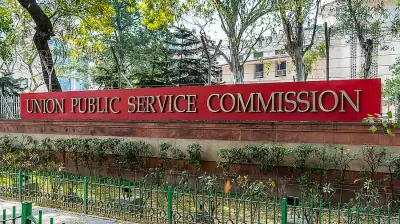
In a significant demonstration of dissent, members of the general category organized a protest march in Pilibhit on Wednesday, vehemently opposing the University Grants Commission's Promotion of Equity in Higher Education Institutions Regulations, 2026. The protestors have leveled serious allegations that these new rules foster discrimination and contravene the constitutional principle of equality, sparking widespread concern and debate.
Symbolic Acts of Defiance and March Details
The protest saw participation from lawyers and volunteers affiliated with right-wing organizations, who engaged in powerful symbolic acts to voice their opposition. Participants tonsured their heads, tied black ribbons as a mark of protest, and applied black tilak on their foreheads, creating a visually striking statement against the regulations.
The march commenced at the Naktadana crossing around 11 am, proceeding through the city before culminating at the collectorate. At the collectorate, the protestors formally submitted a memorandum addressed to the President of India to City Magistrate Vijay Vardhan Tomar, outlining their grievances and demands regarding the contentious regulations.

Core Constitutional and Legal Objections
Protestors articulated that while the regulations are framed under the banner of equity, they effectively precipitate a constitutional and legal crisis. The primary contention revolves around the perception that these rules grant special privileges to Scheduled Castes (SC), Scheduled Tribes (ST), and Other Backward Classes (OBC) groups, thereby undermining the rights and opportunities of the general category.
A specific provision mandating the establishment of equity committees in universities within 90 days drew sharp criticism. Protestors argue that such bodies could potentially encroach upon the fundamental right to equality enshrined under Articles 14 to 18 of the Indian Constitution, which guarantee equality before the law and prohibit discrimination on various grounds.
Concerns Over Complaint Mechanisms and Wider Implications
Further objections were raised regarding a clause that, according to the protestors, shields complainants from legal repercussions even in cases where false complaints are filed against individuals from the general category. This aspect has fueled fears of potential misuse and injustice, adding to the apprehensions surrounding the regulations.
The protestors emphasized that these regulations have ignited resentment among a substantial segment of the population, estimating that nearly one-third of the country's citizens are affected. In light of these concerns, they have issued a firm demand for the immediate withdrawal of the UGC equity regulations.
Warning of Continued Agitation and Future Protests
Asserting their resolve, the protestors have warned that demonstrations and protests will persist unabated until the regulations are formally repealed. This stance indicates a sustained campaign of opposition, highlighting the depth of discontent and the determination to challenge the perceived inequities introduced by the new rules.
The protest in Pilibhit underscores a growing national discourse on equity, reservation policies, and constitutional rights in higher education, reflecting broader societal tensions and the ongoing debate over affirmative action and equality in India.