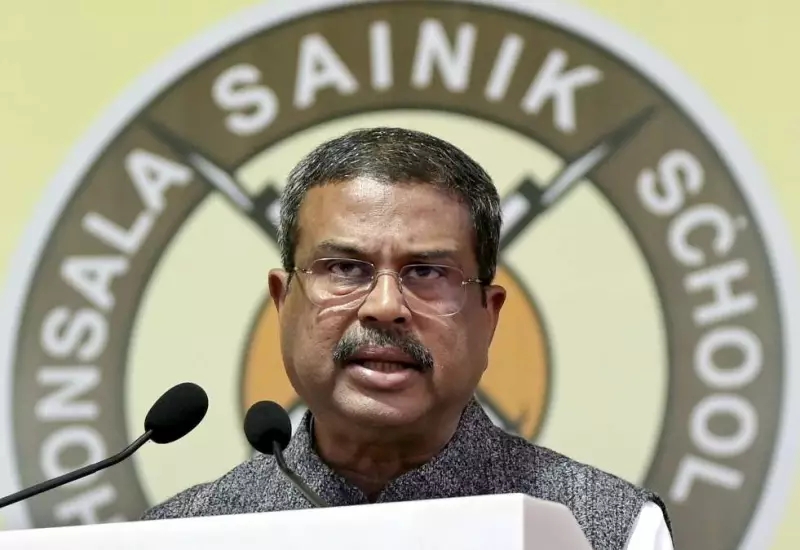
Dharmendra Pradhan Reassures on New UGC Regulations: No Room for Discrimination
Union Education Minister Dharmendra Pradhan has made a significant statement regarding the upcoming University Grants Commission (UGC) regulations, set to be implemented in 2026. In a recent address, he emphasized that the new framework will strictly prohibit any form of discrimination and ensure that the law cannot be misused. This announcement comes amid widespread discussions and concerns about the potential impact of regulatory changes in India's higher education sector.
Key Highlights of the Minister's Assurance
Pradhan outlined several critical points to address public and academic apprehensions:
- Zero Tolerance for Discrimination: The minister firmly stated that the new UGC regulations will be designed to eliminate discrimination based on any grounds, promoting an inclusive environment for all students and institutions.
- Prevention of Law Misuse: He assured that robust mechanisms will be in place to prevent any misuse of the regulations, safeguarding the interests of stakeholders across the education ecosystem.
- Focus on Fairness and Equity: Pradhan highlighted that the primary goal of the regulations is to enhance fairness and equity in higher education, aligning with national educational objectives.
Context and Implications for Higher Education
The new UGC regulations are part of broader reforms aimed at modernizing India's education system. Pradhan's remarks are seen as a response to fears that regulatory changes might lead to unintended consequences, such as bias or exploitation. By addressing these concerns upfront, the government aims to build trust and ensure smooth implementation.

Experts in the field have noted that such assurances are crucial for maintaining stability in academia. The regulations are expected to cover various aspects, including:
- Admission processes and criteria for universities.
- Faculty recruitment and promotion policies.
- Quality assurance and accreditation standards.
- Funding and resource allocation mechanisms.
Pradhan's emphasis on non-discrimination and proper law usage underscores a commitment to creating a transparent and accountable system. This move is likely to influence how institutions adapt to the new rules, potentially fostering a more collaborative approach between the government and educational bodies.
Looking Ahead: What to Expect
As the 2026 deadline approaches, stakeholders are advised to stay informed about the evolving regulatory landscape. Pradhan's statement sets a positive tone, but detailed guidelines and implementation strategies will be key to realizing the promised benefits. The education ministry is expected to engage in further consultations with universities, students, and other parties to refine the regulations.
In summary, Dharmendra Pradhan's clarification on the new UGC regulations marks a pivotal moment in India's education policy. By prioritizing fairness and preventing misuse, the government aims to strengthen the higher education framework, ultimately contributing to the nation's academic growth and global competitiveness.