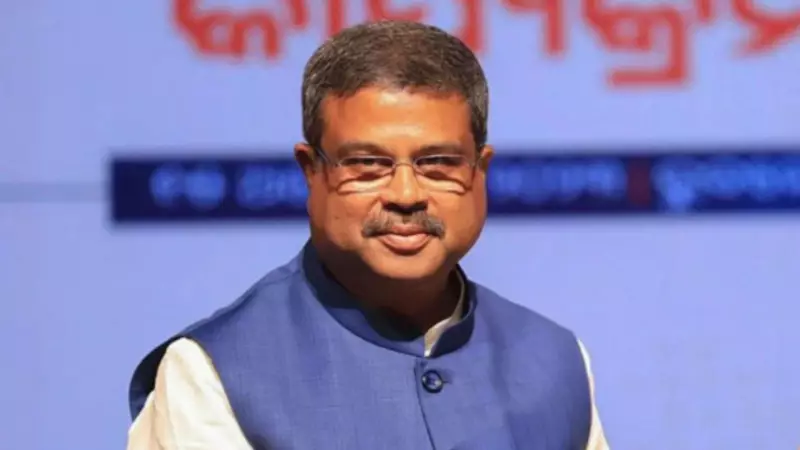
Union Education Minister Dharmendra Pradhan has firmly stated that discrimination and oppression will not be tolerated under the newly implemented University Grants Commission (UGC) regulations aimed at promoting equity in higher education institutions. His remarks come in response to widespread protests from student groups who have raised concerns about potential misuse and divisive outcomes of the rules.
Minister's Assurance Amid Growing Protests
Addressing reporters on Tuesday, Pradhan emphasized that the regulations, which were notified on January 13, 2026, are designed to operate within the constitutional framework and under the supervision of the Supreme Court. "I would like to humbly assure everybody that oppression will not be allowed against anybody... there won't be discrimination. In the name of discrimination, nobody will have the right to misuse the regulations," he declared.
The minister doubled down on the UGC's 2026 equity regulations, which replace the 2012 version, asserting that all arrangements are constitutionally sound and that responsibility will be enforced. He highlighted that the Union government, State governments, and the UGC are committed to ensuring fair implementation without bias.

Student Concerns and Regulatory Changes
The UGC regulations have sparked significant backlash, particularly on social media, where students from the general category have voiced fears of "harassment" and potential "divisions" over caste. Protesters argue that the rules could lead to unfair targeting and create societal rifts.
One major point of contention is the removal of penalties for "false complaints of discrimination" in the final version of the regulations. A draft issued in February last year included provisions for penalties in such cases, but this aspect was omitted in the notified version. Critics worry that this omission might encourage frivolous complaints without accountability.
Key Provisions and Legal Background
The 2026 regulations specifically mention Other Backward Classes (OBCs) in the definition of 'caste discrimination,' stating that it refers to discrimination based on caste or tribe against members of scheduled castes, scheduled tribes, and OBCs. Additionally, the rules mandate the establishment of 'equity committees' in higher education institutions, with representation for OBCs to address grievances.
These regulations stem from a Supreme Court petition filed by the mothers of Rohit Vemula and Payal Tadvi, who died by suicide amid allegations of caste-based discrimination. The framework outlines a structured process for handling discrimination-related complaints, aiming to provide a safer and more equitable environment in educational settings.
Broader Implications and Government Stance
Pradhan's statements underscore the government's commitment to balancing equity with fairness, ensuring that the regulations do not inadvertently harm any student group. He reiterated that the rules are intended to protect all students from discrimination while preventing misuse that could undermine their purpose.
As protests continue, the debate highlights the ongoing challenges in implementing equity measures in India's diverse educational landscape. The minister's assurances aim to alleviate fears, but student groups remain vigilant, calling for revisions to address their concerns about transparency and accountability in the complaint process.